The field notes · 4 min read
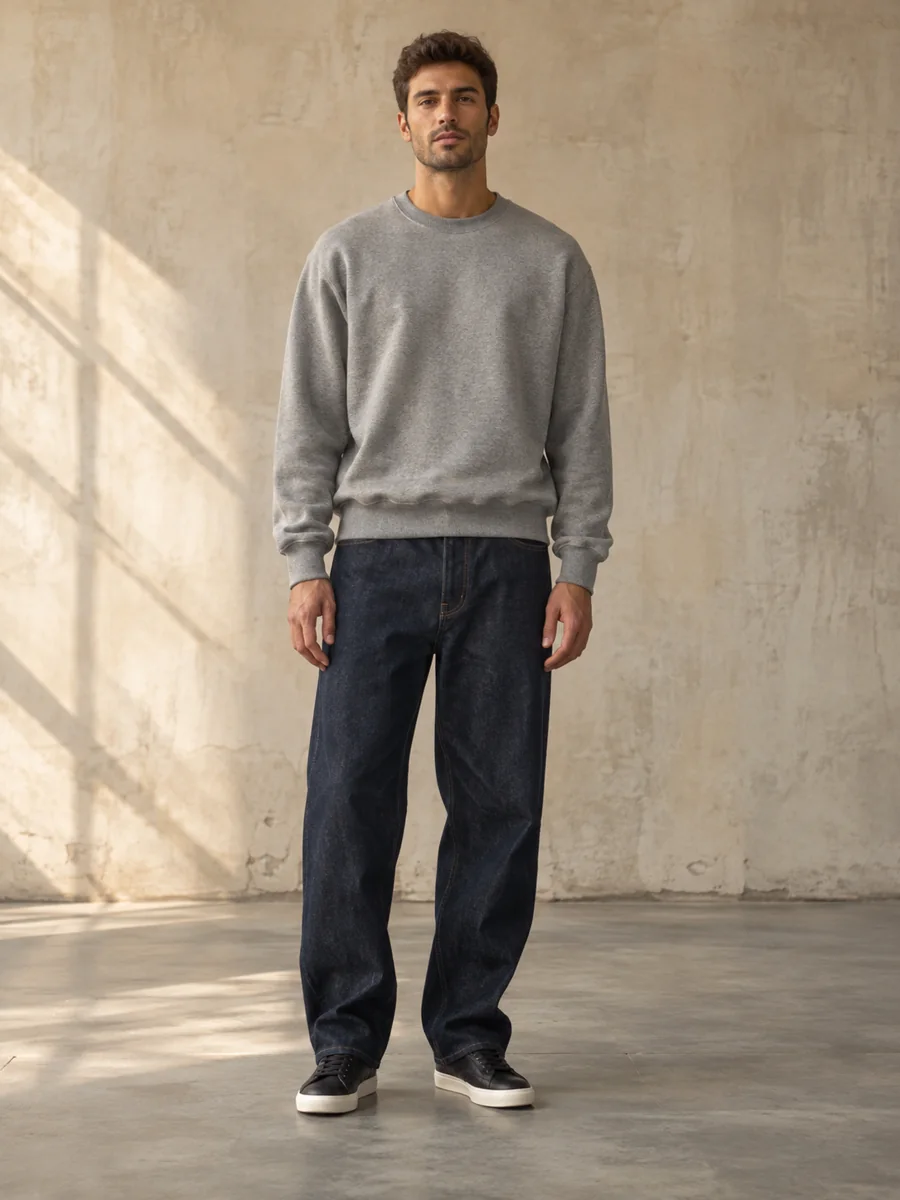
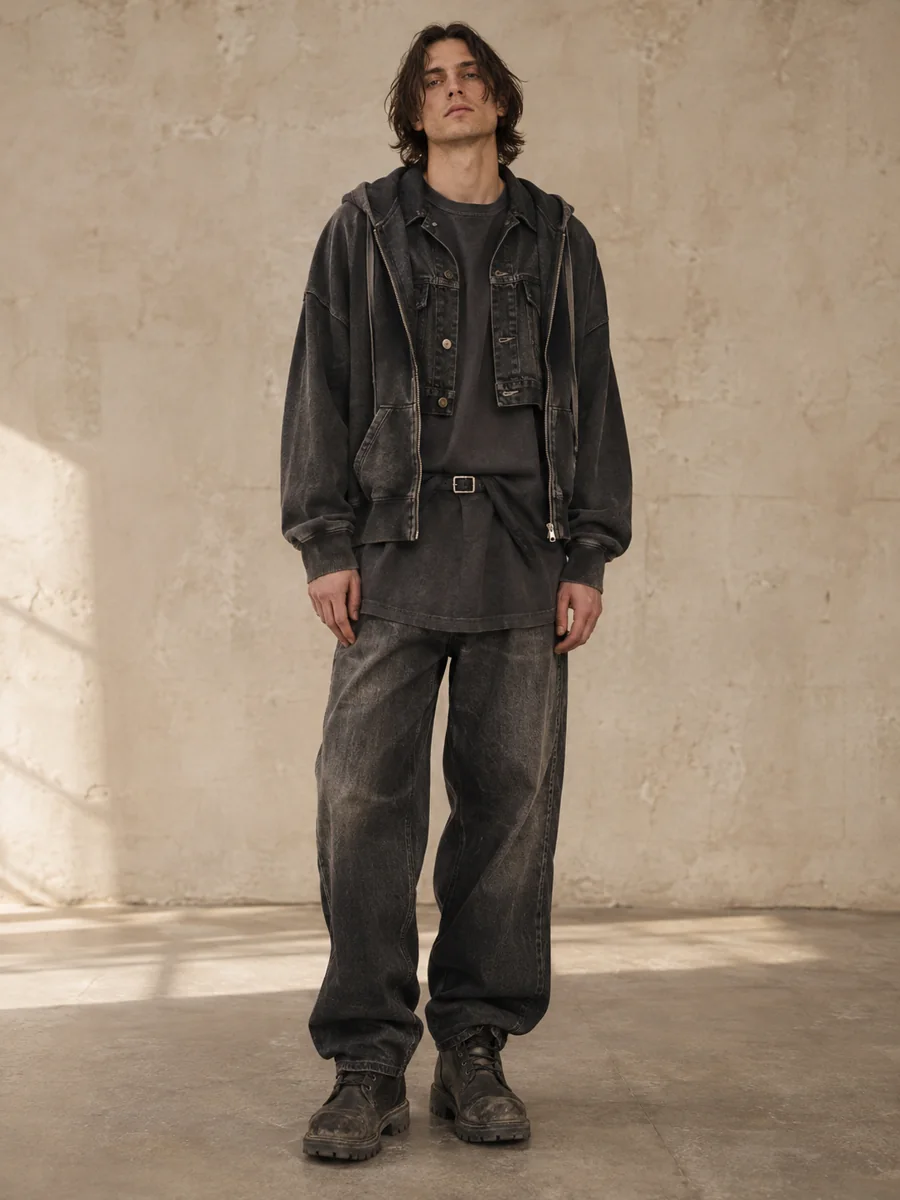
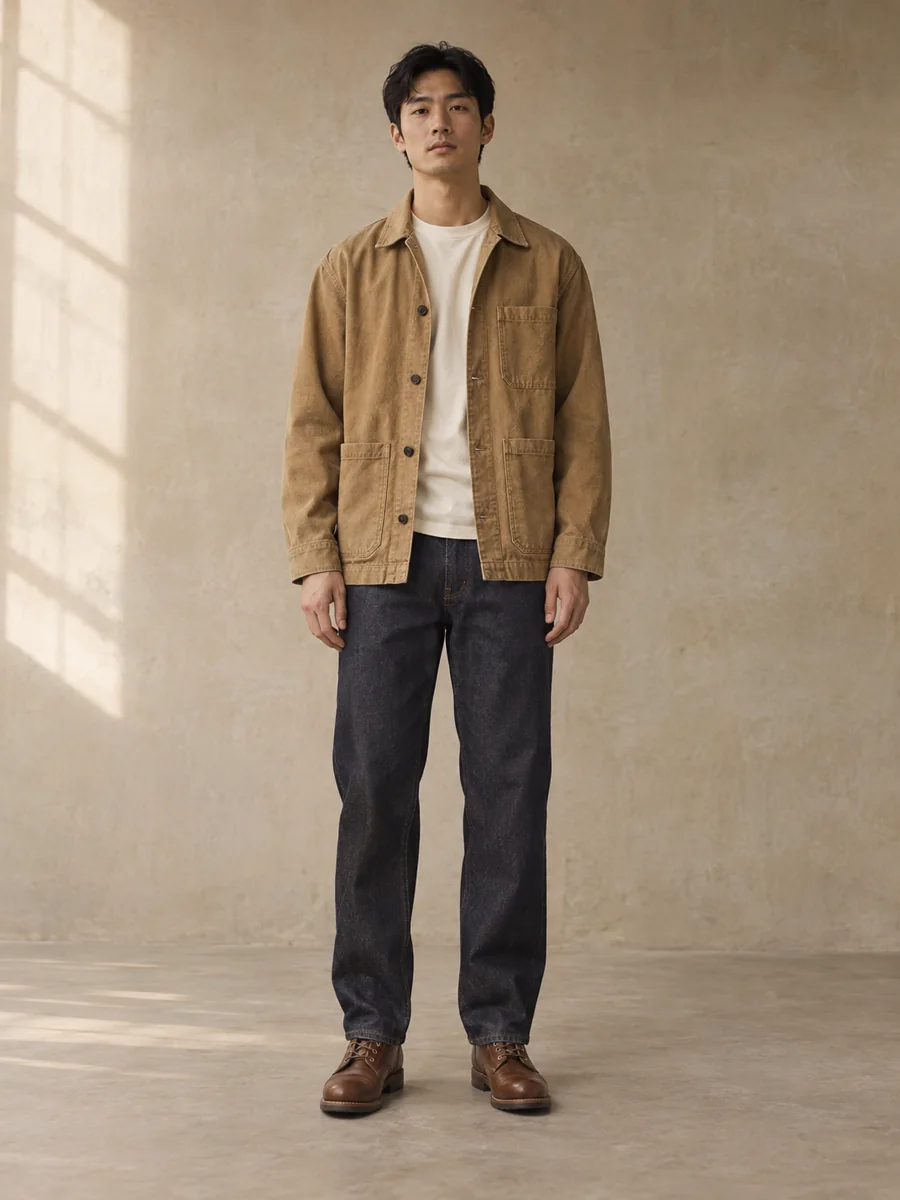
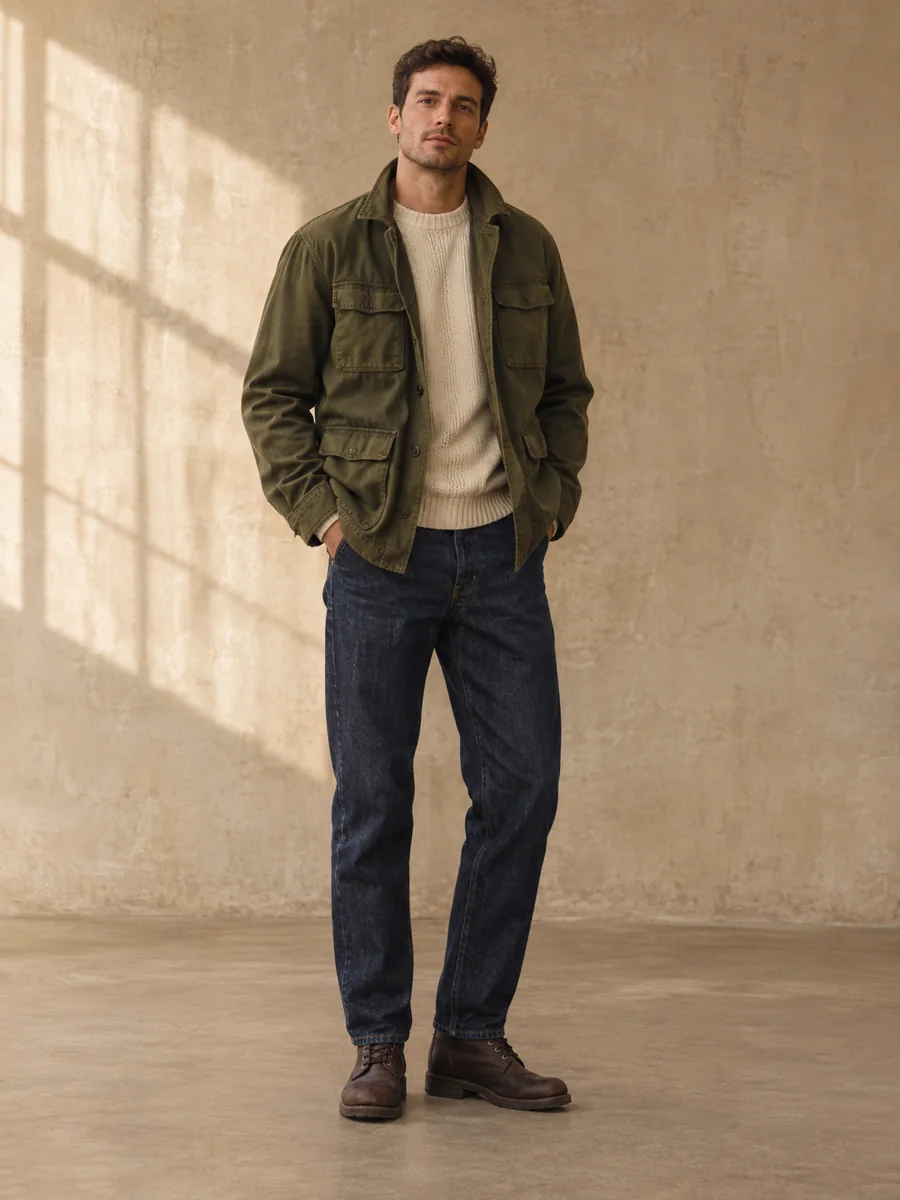
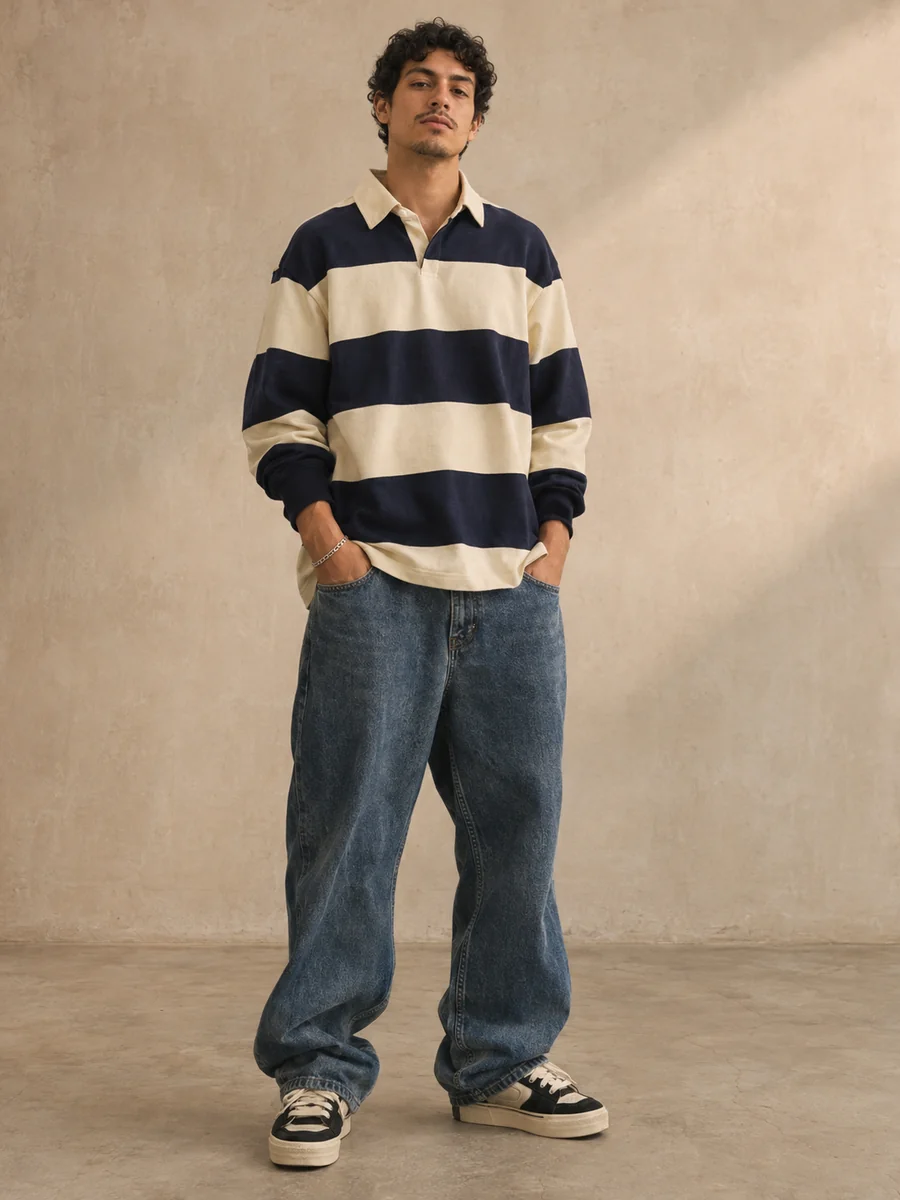
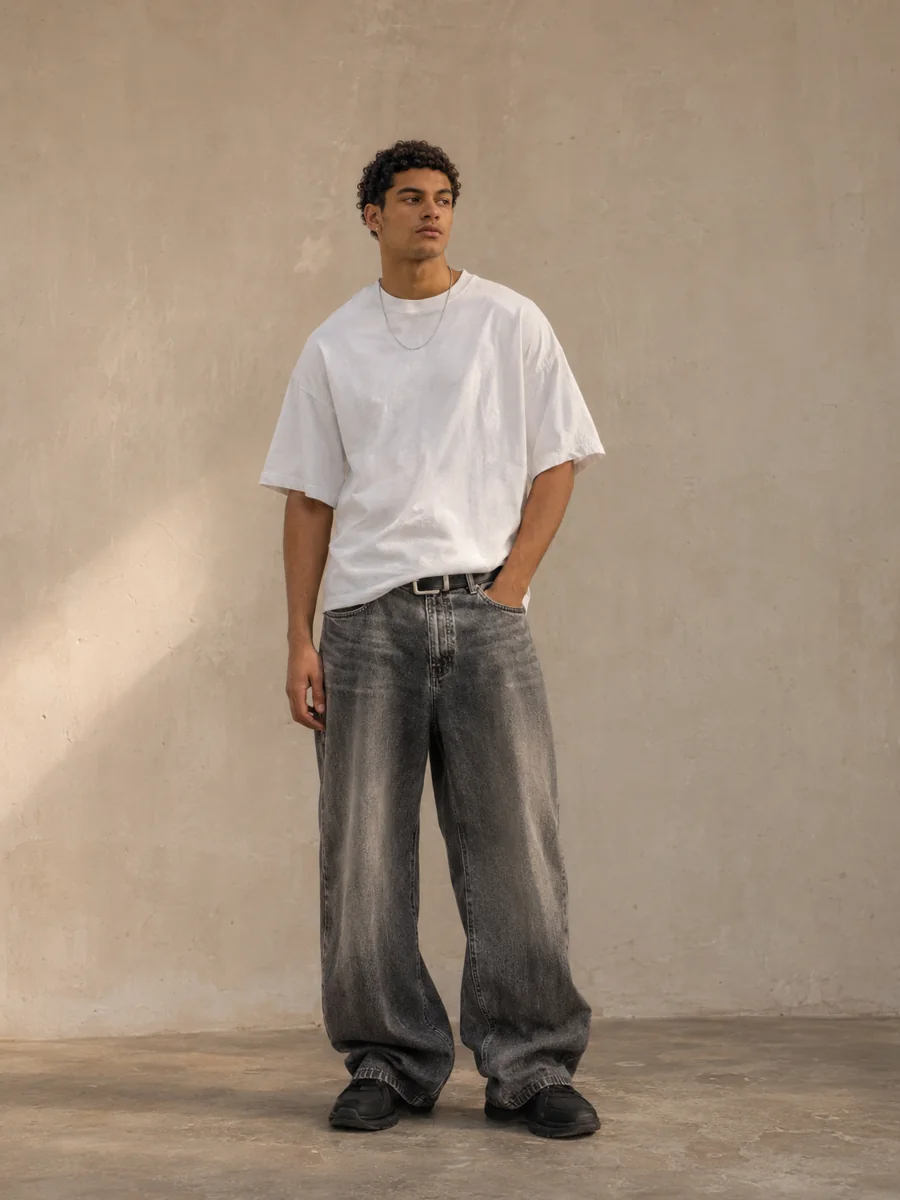
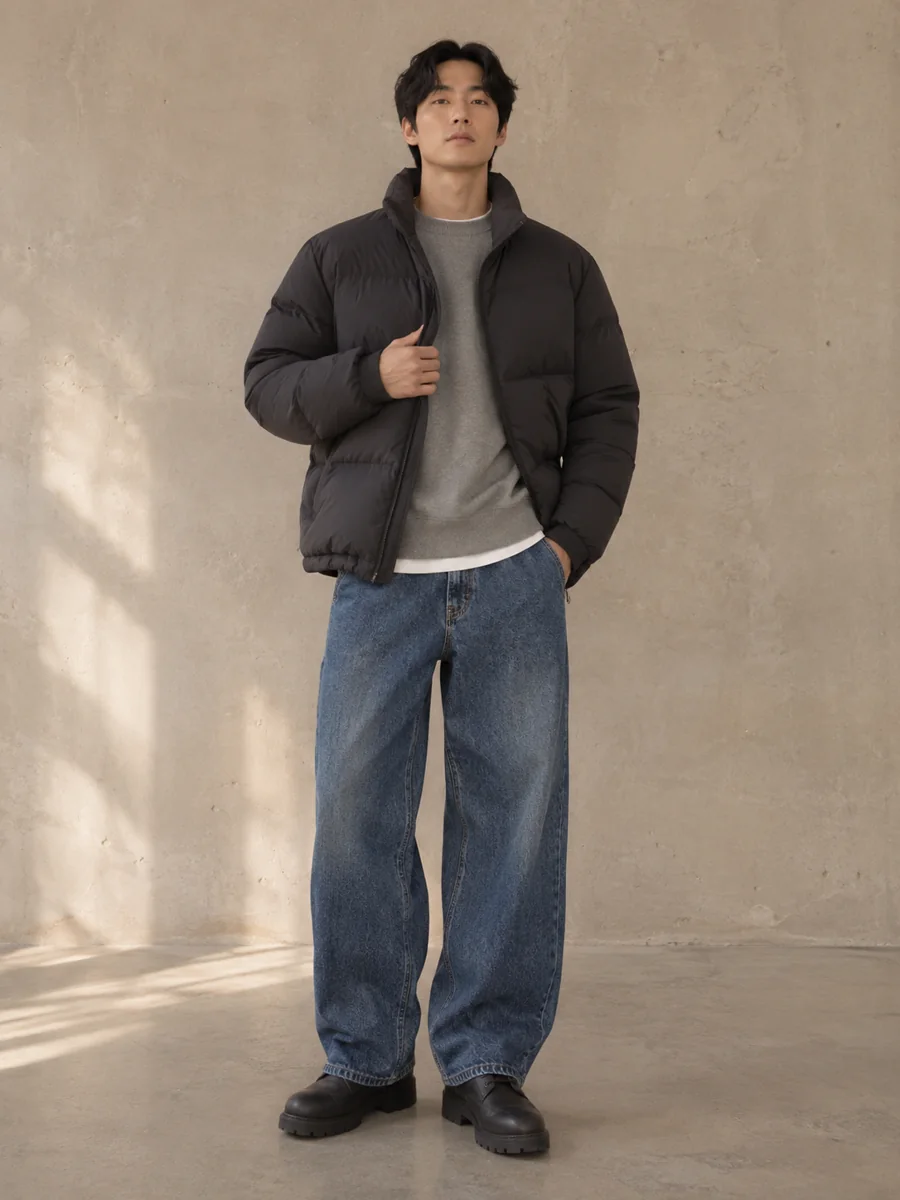
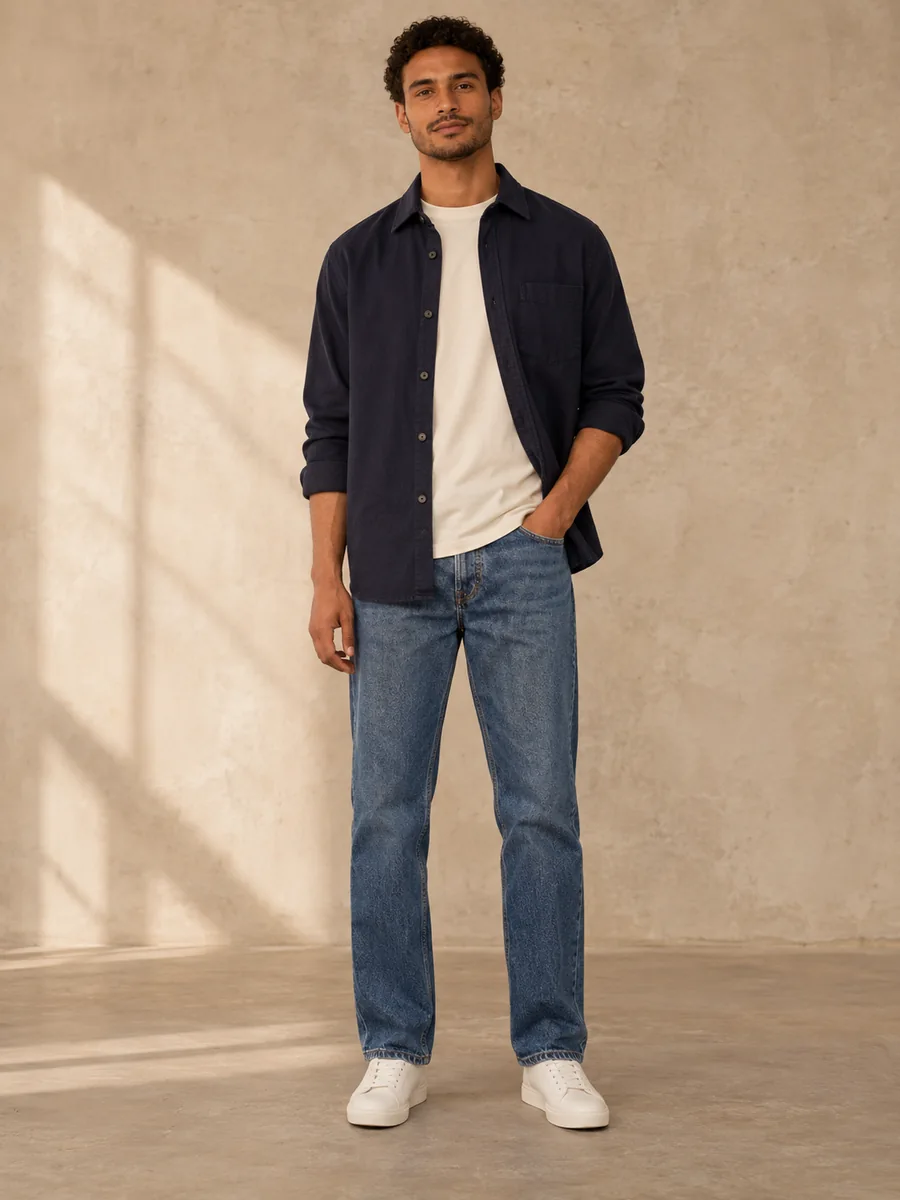
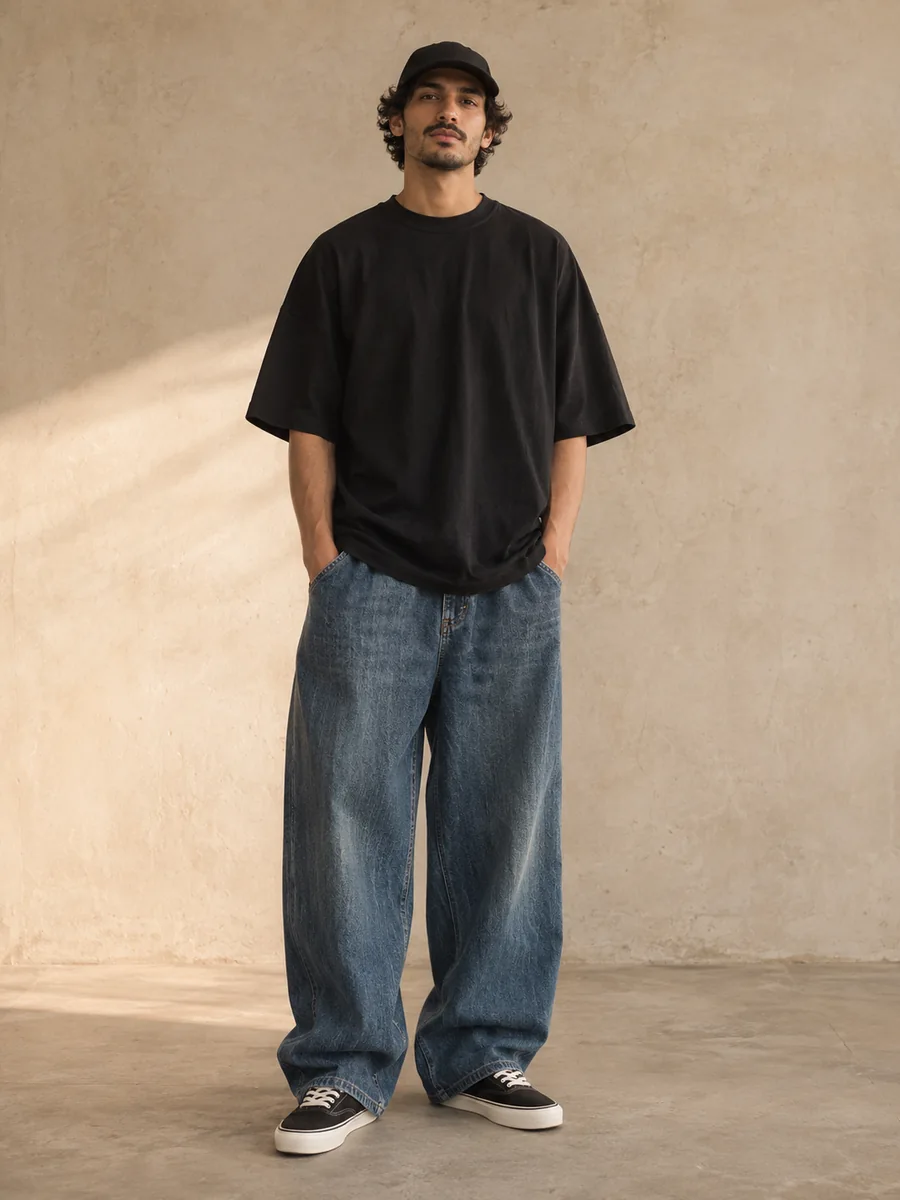
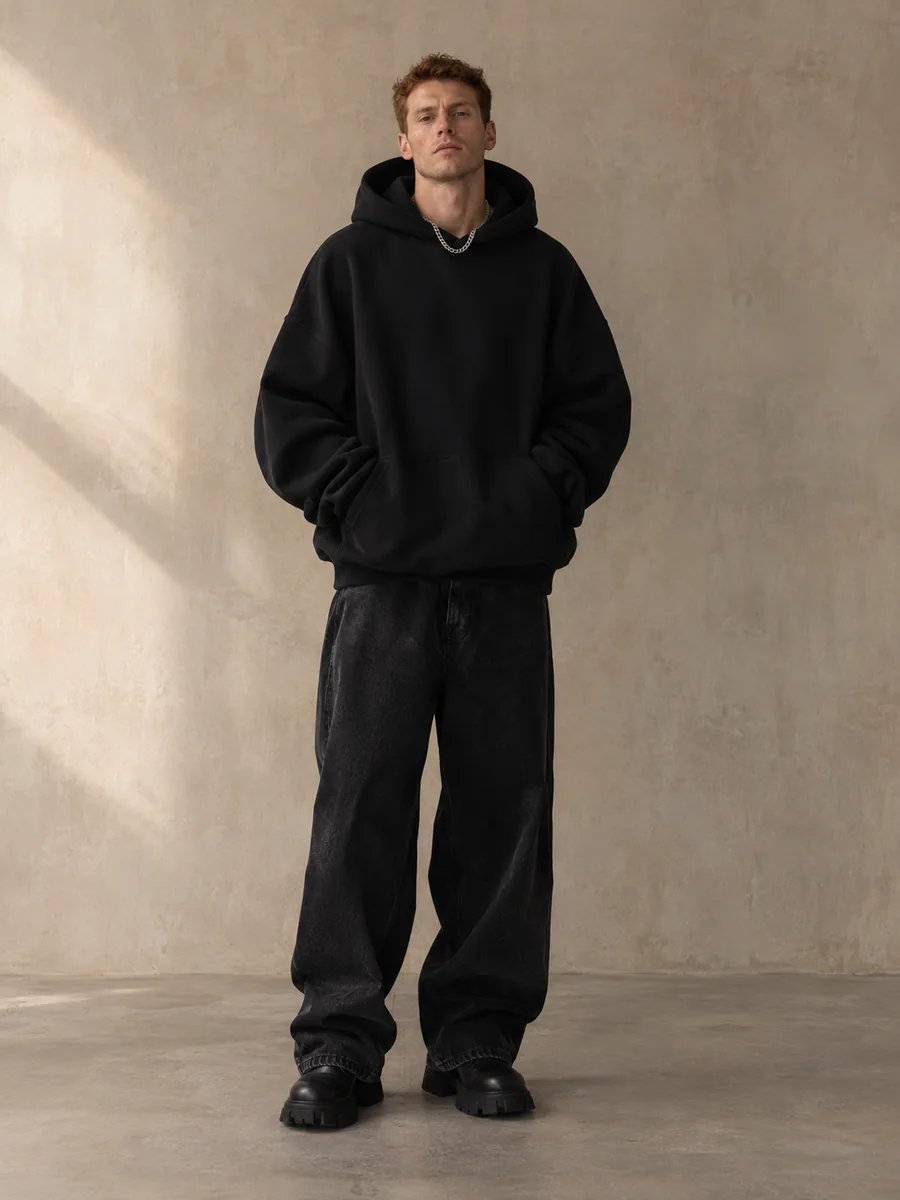
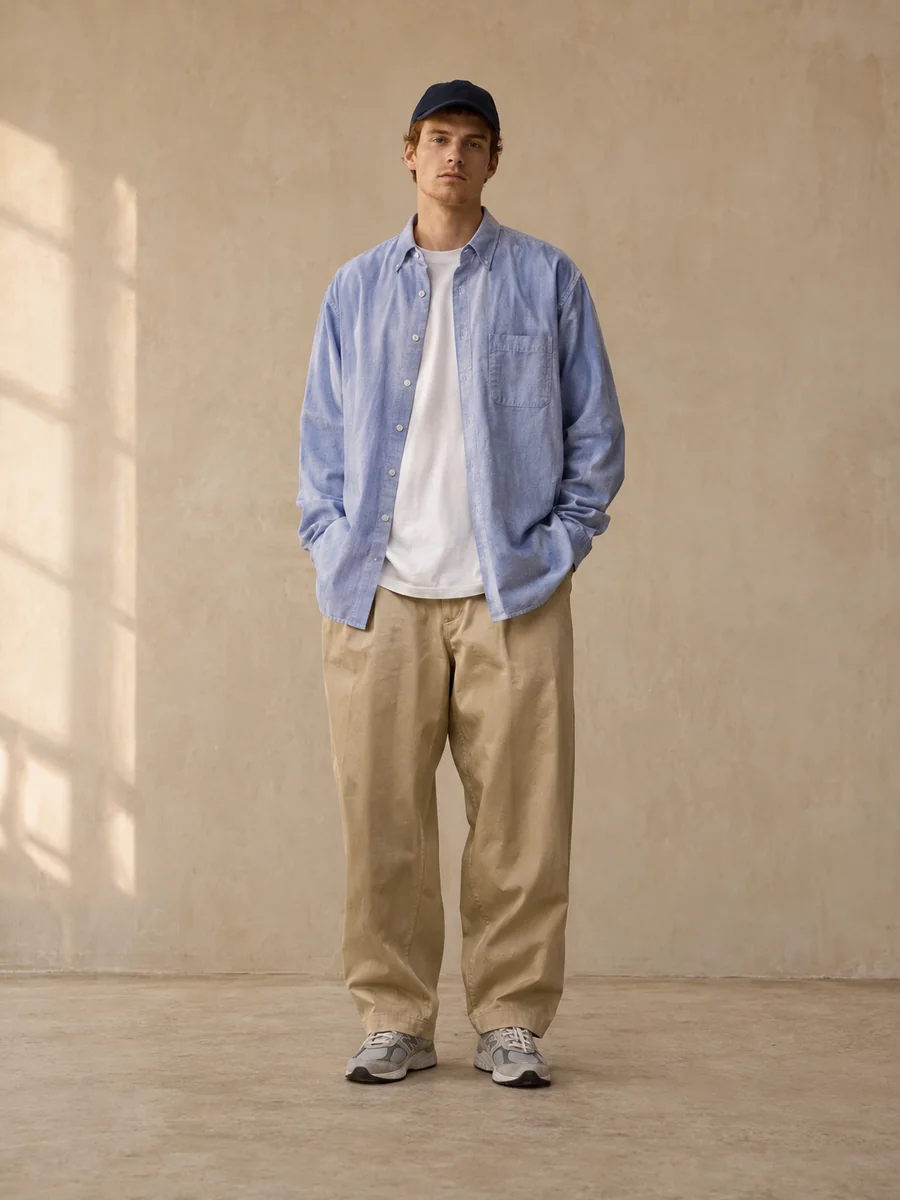
How to style baggy jeans without losing the shape
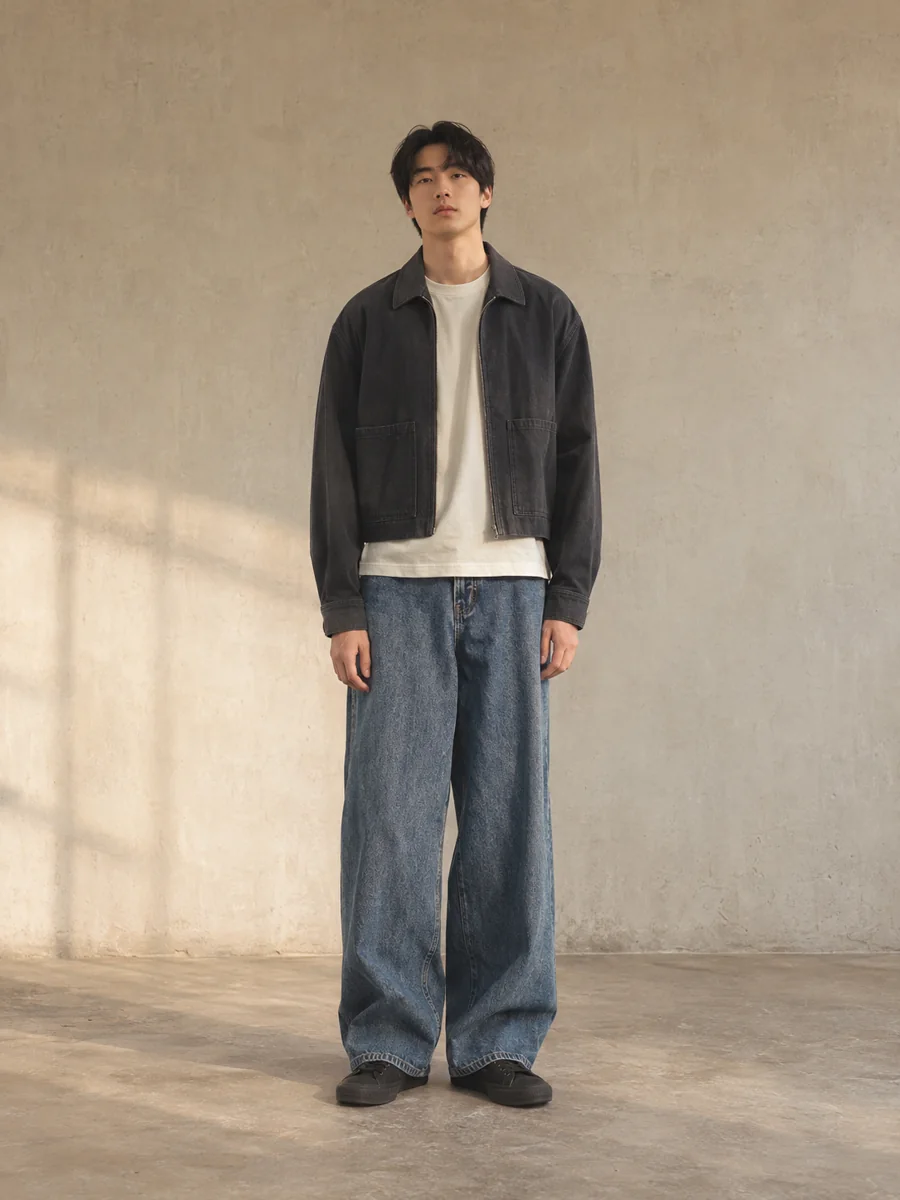
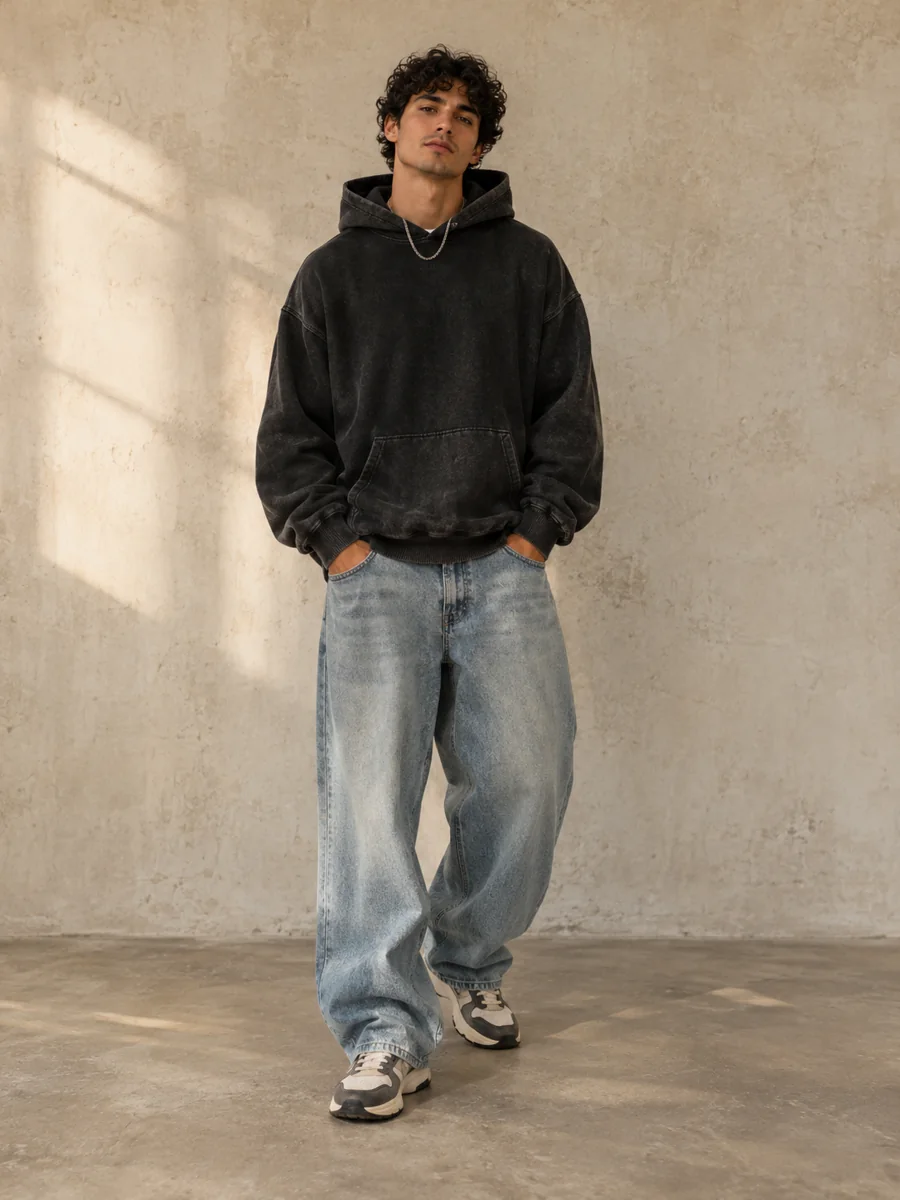
Four outfit formulas for baggy jeans, with practical choices for top length, hems and footwear.
The field notes
Proportions, layers and everyday starting points. Practical guides to help you make an outfit your own.
52 guides
The field notes · 4 min read
Four outfit formulas for baggy jeans, with practical choices for top length, hems and footwear.
The field notes · 4 min read
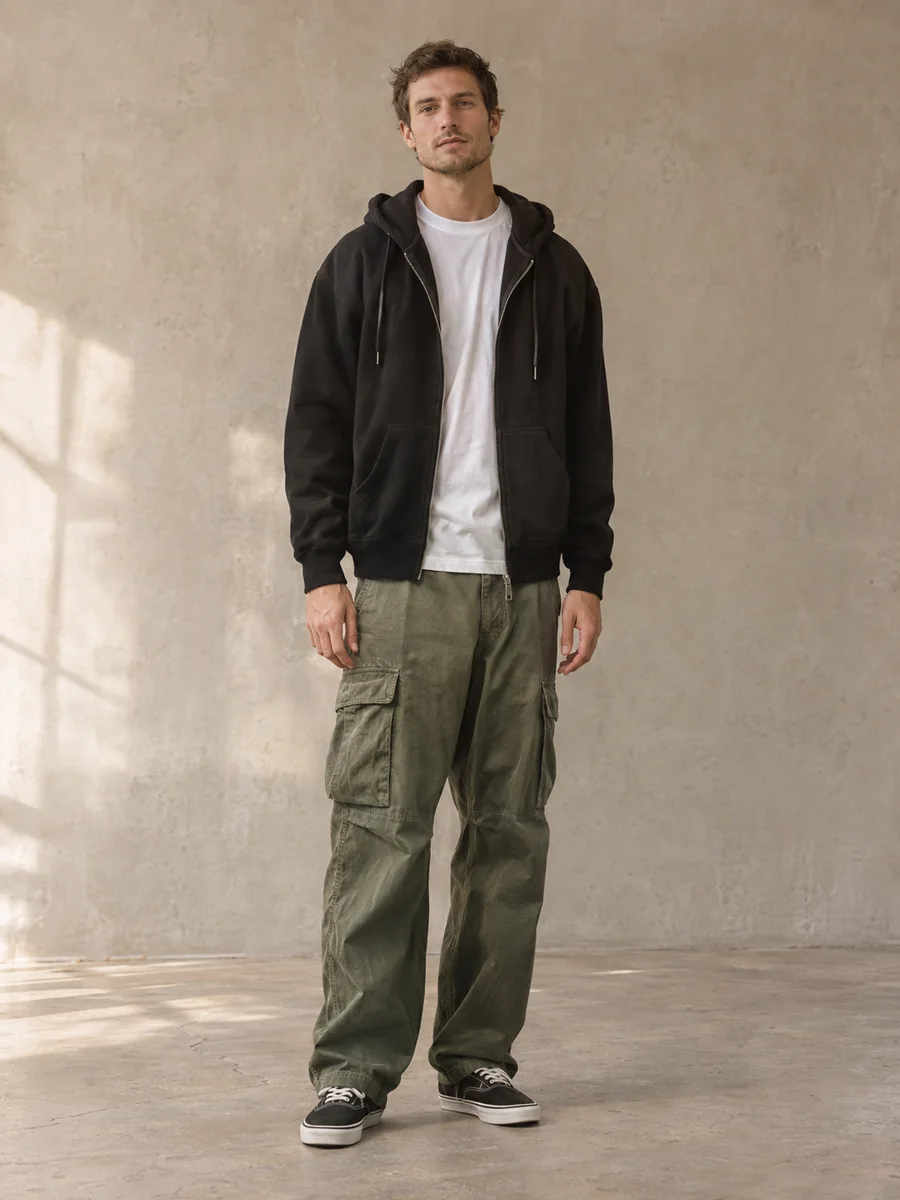
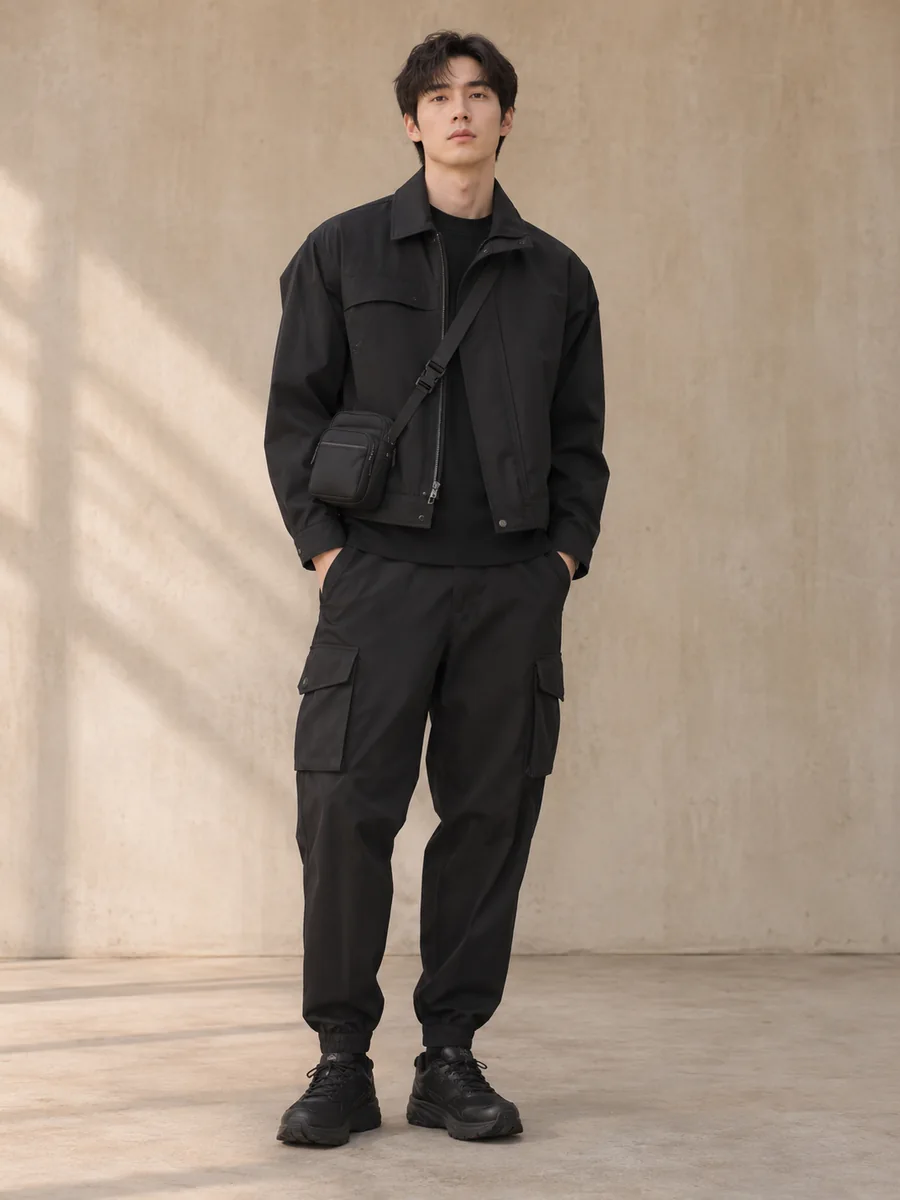
Build four cargo pants outfits by balancing pocket placement, top length and the weight of your shoes.
The field notes · 4 min read
Compare Y2K, grunge and streetwear through shape, texture and outfit choices, and see how their shared pieces can work across styles.
The field notes · 4 min read
Prioritise the silhouette, reuse your basics and decide which statement piece is worth finding next.
The field notes · 4 min read
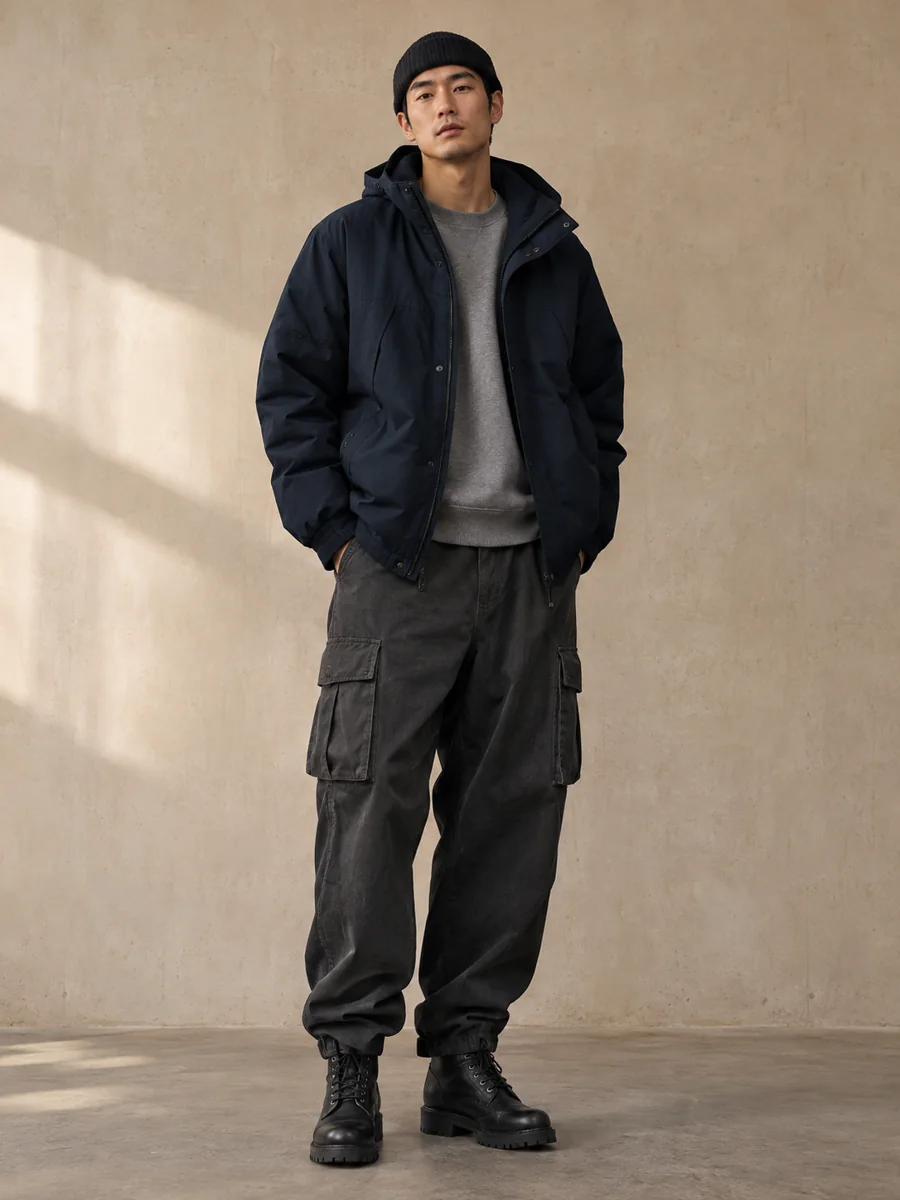
Plan room for layers, manage lengths and adapt your silhouette to the weather you actually face.
The field notes · 4 min read
Compare skate sneakers, chunky trainers, slimmer shoes and boots through their shape and the break of your jeans.
The field notes · 4 min read
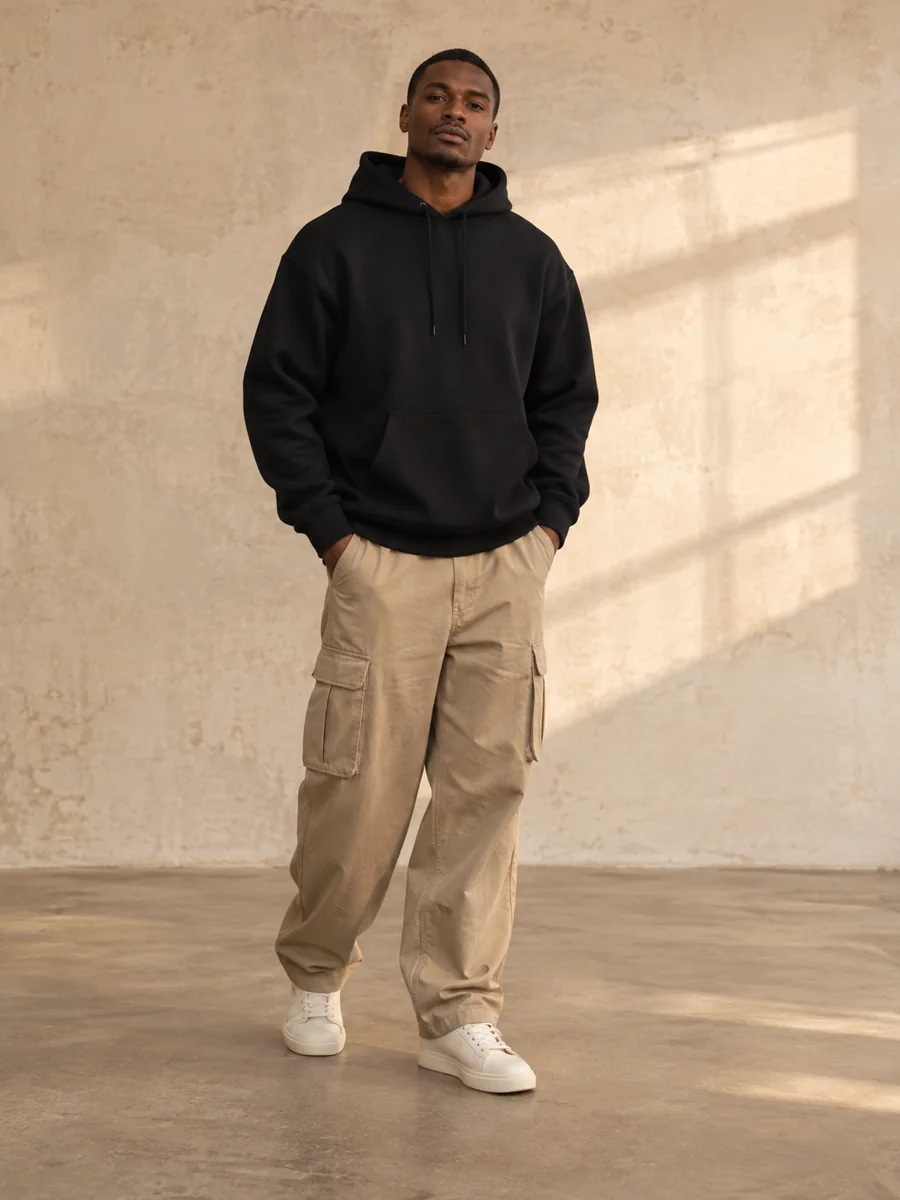
Make a black hoodie work with beige cargos, wide denim, dark layers and a winter outer layer.
The field notes · 4 min read
Use a compact set of tops, trousers and layers to create a repeatable rotation with fewer isolated purchases.
The field notes · 4 min read
Use clear boundaries, controlled hems and changes in volume to make relaxed outfits feel deliberate.
The field notes · 4 min read
Separate black layers with texture, wash, proportion and a clear choice of footwear.
The field notes · 4 min read
Build chore jacket outfits with denim, carpenter pants or an Oxford shirt. Compare shape, texture and the right amount of layering.
The field notes · 4 min read
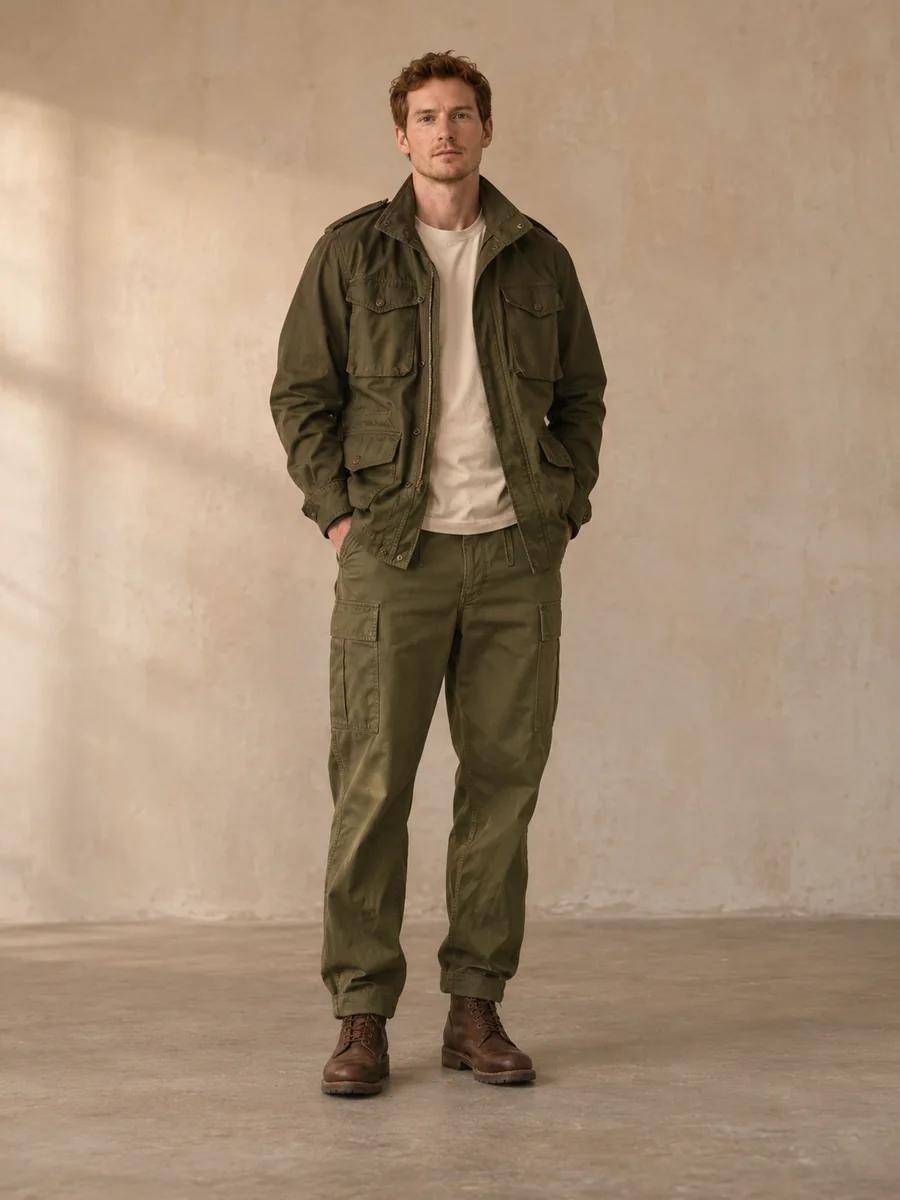
Use a field jacket’s pockets and volume deliberately, with four outfits, quieter colours and practical checks for layers.
The field notes · 4 min read
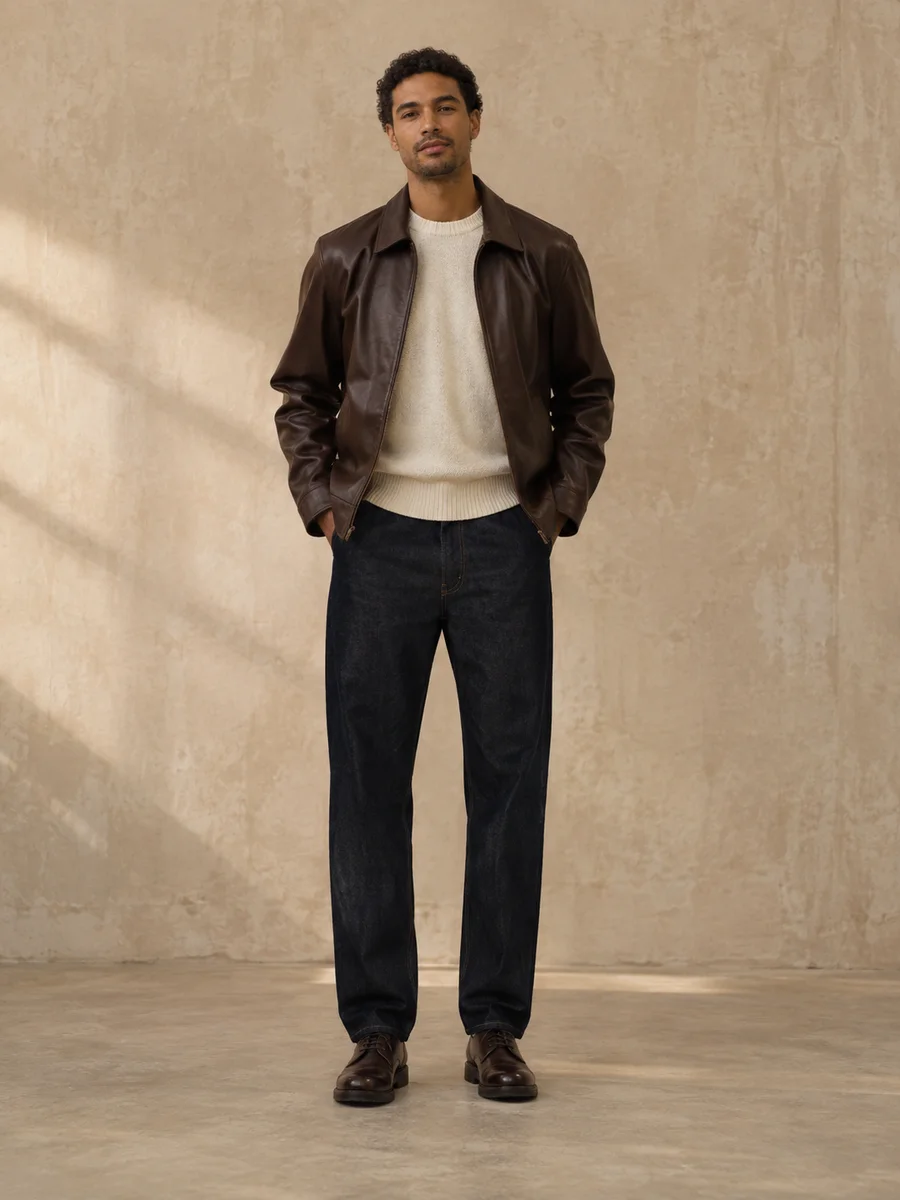
Choose trousers, shoes and layers for a brown leather or leather-look jacket, from a clean knit outfit to wide denim and cargos.
The field notes · 4 min read
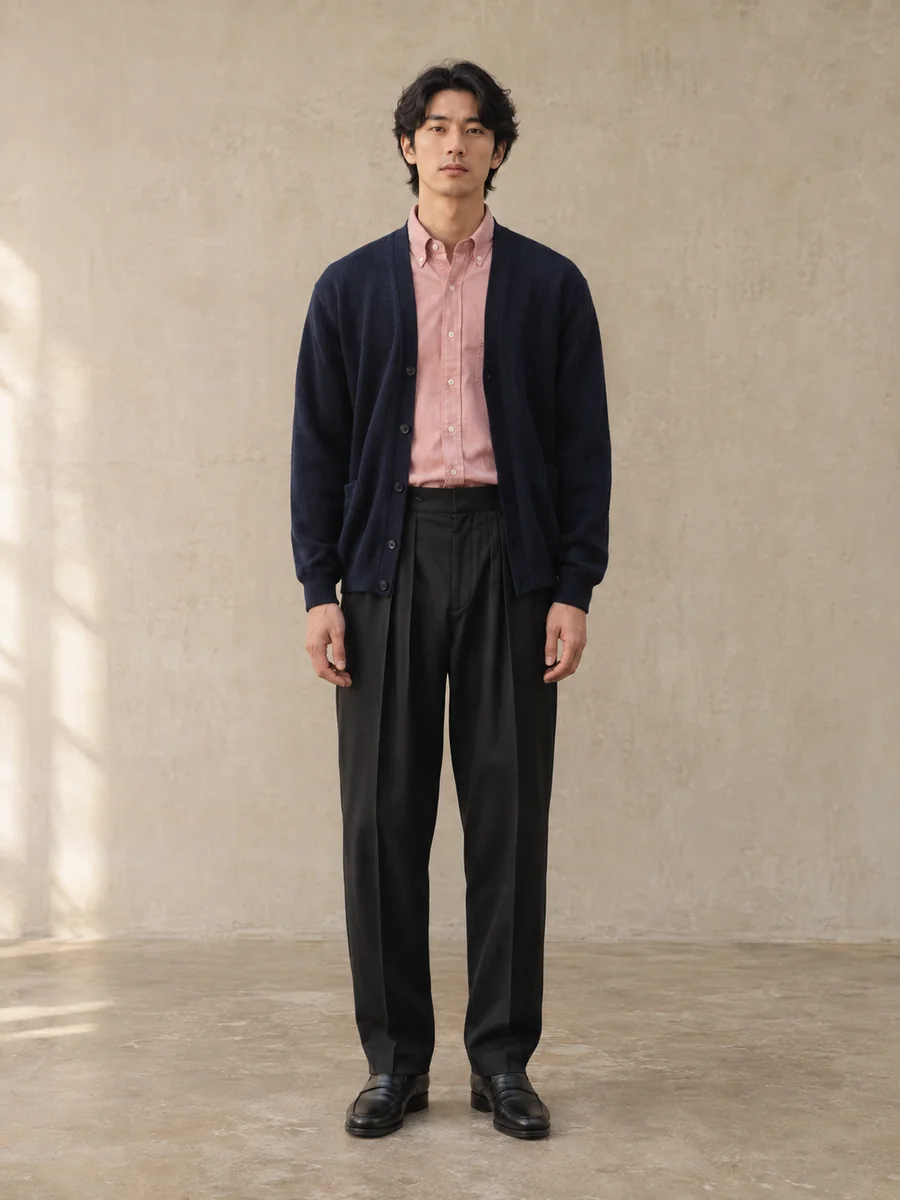
Try a pale pink Oxford with navy, chocolate or cream, using three contrast levels and practical checks for collars and layers.
The field notes · 4 min read
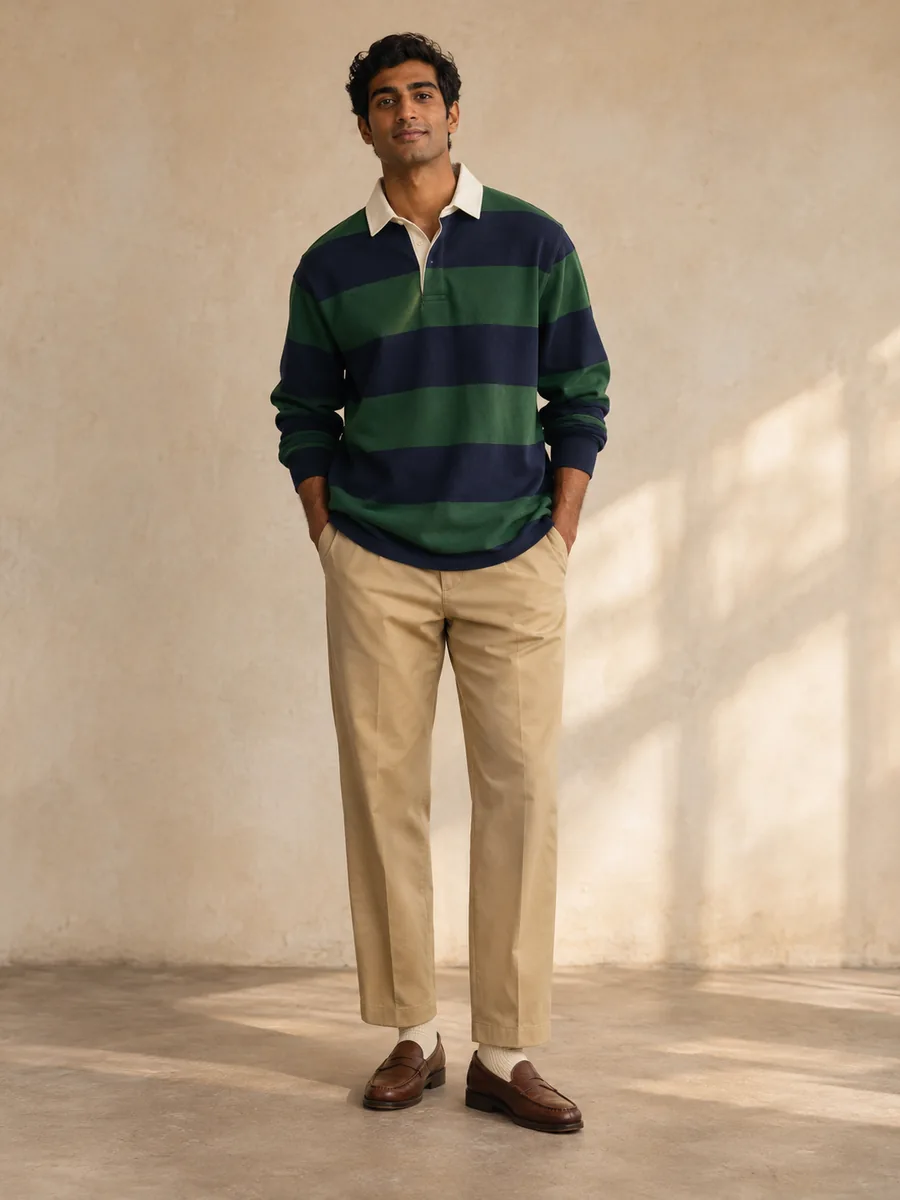
Use a rugby shirt with broad denim, cream trousers, a cardigan or a bomber. Balance the collar, stripes and layered hems.
The field notes · 4 min read
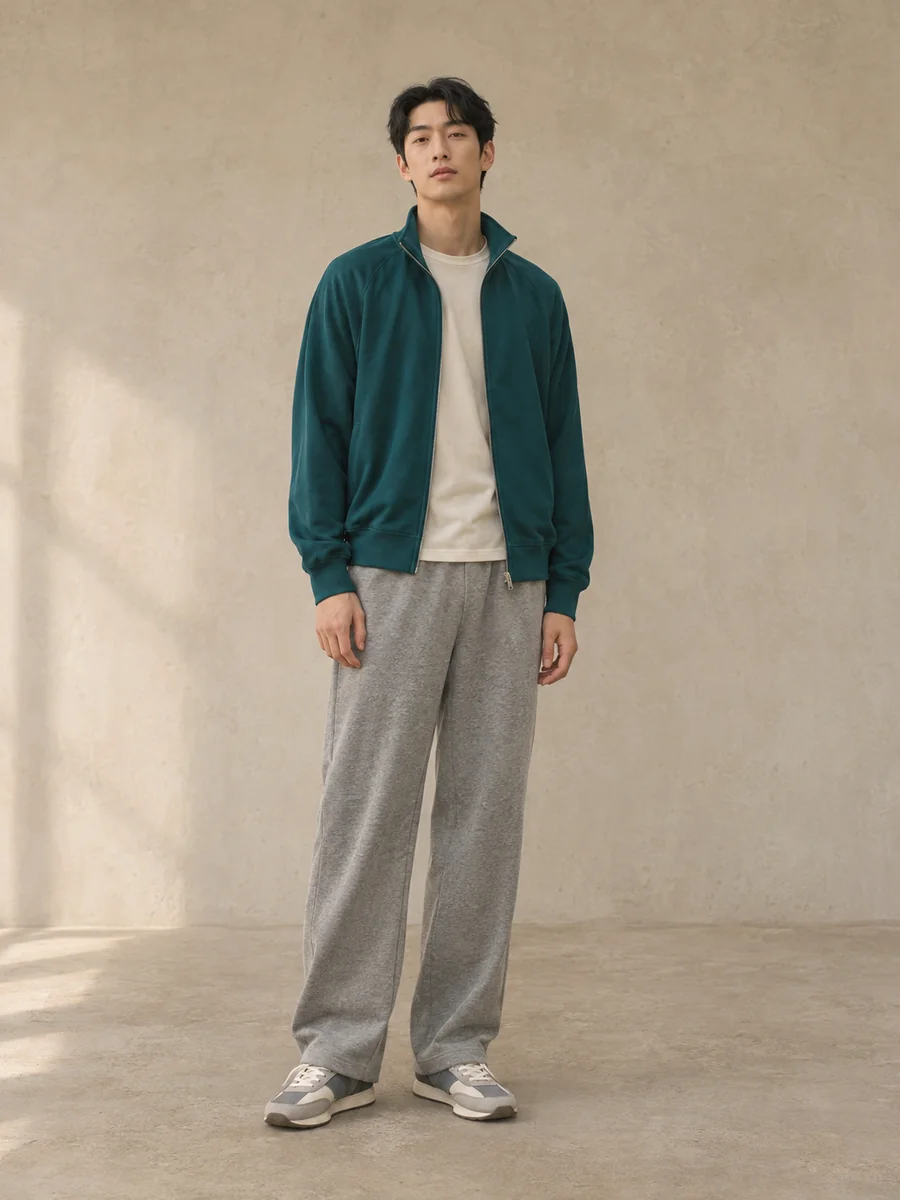
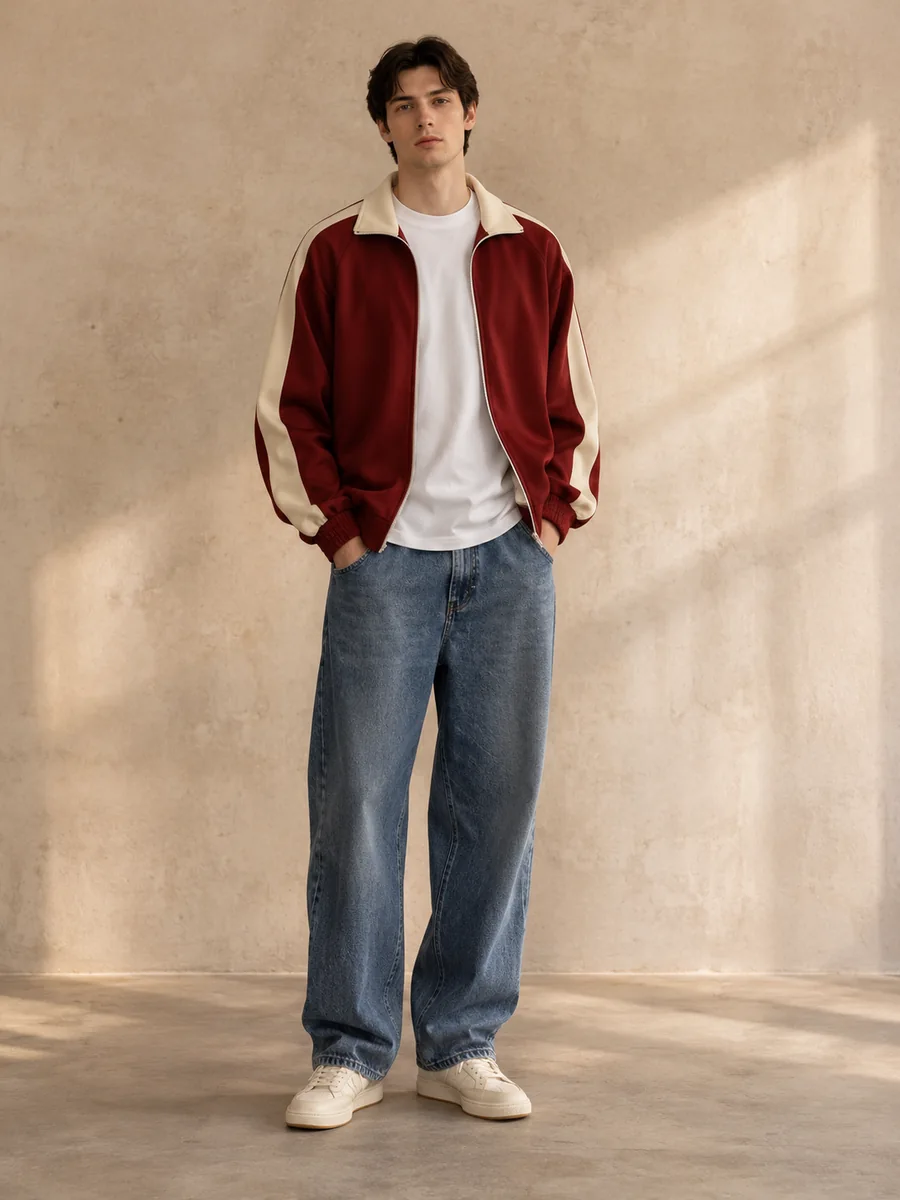
Pair a track jacket with denim, straight jersey trousers or cargos, and make the zip, hem and colour blocking work together.
The field notes · 4 min read
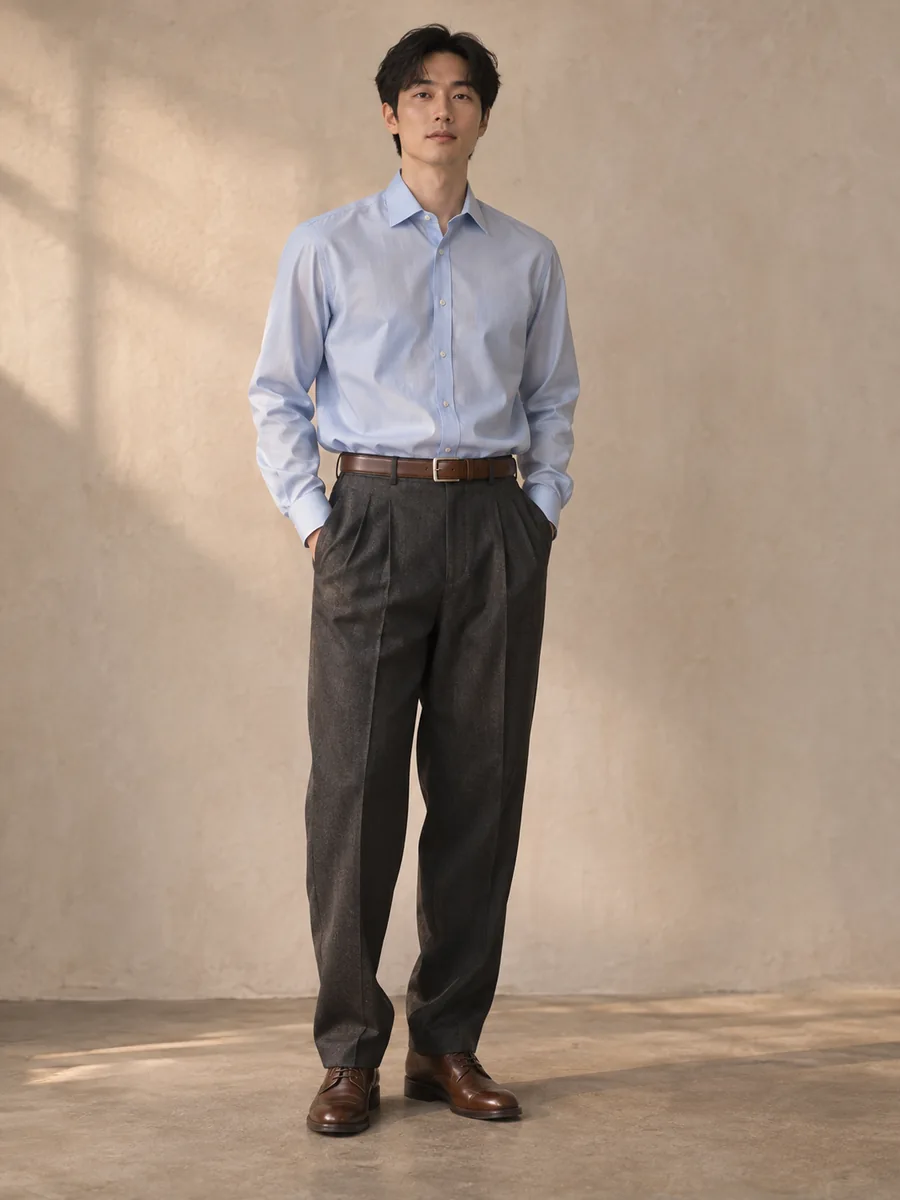
Balance wide trousers through waistband, top length, pleats and shoe shape, with casual and more dressed-up examples.
The field notes · 4 min read
Choose a cardigan neckline, underlayer and button arrangement, with denim, Oxford shirts, rugby stripes and quieter trousers.
The field notes · 4 min read
Place a necklace around the neckline, choose a useful visual scale and decide when a plain outfit already has enough detail.
The field notes · 4 min read
Choose a scarf palette, amount of volume and simple placement around a field jacket or overcoat, with clear layering examples.
The field notes · 4 min read
Make loafers work with straight jeans, pleated trousers or cream carpenter pants by choosing a visible hem and an appropriate setting.
The field notes · 4 min read
Plan nine reusable pieces around six outfits, then add an Oxford, utility trousers or a field jacket only when it serves your routine.
The field notes · 4 min read
Compare two overlapping style directions through palette, texture, structure and portable outfits, without needing a costume or a new wardrobe.
The field notes · 4 min read
Set the dress level first, then plan an indoor outfit, compatible outer layers and suitable footwear for your actual winter conditions.
The field notes · 4 min read
Choose between relaxed, composed and more dressed-up outfits using the invitation, venue and host’s expectations, then add one festive detail.
The field notes · 4 min read
Compare boot shaft, jean opening and hem length to get a deliberate break, with wide-denim examples and a practical alteration check.
The field notes · 4 min read
Build everyday casual outfits around a clear top, trouser and shoe relationship, with four simple layer and color formulas.
The field notes · 4 min read
Use palette, texture and clear proportions to build minimalist outfits, from a black-and-white base to pale tonal layers and gray tailoring.
The field notes · 4 min read
Compare soft colors, textured knitwear and generous layers through four formulas with clear hems and quiet footwear.
The field notes · 4 min read
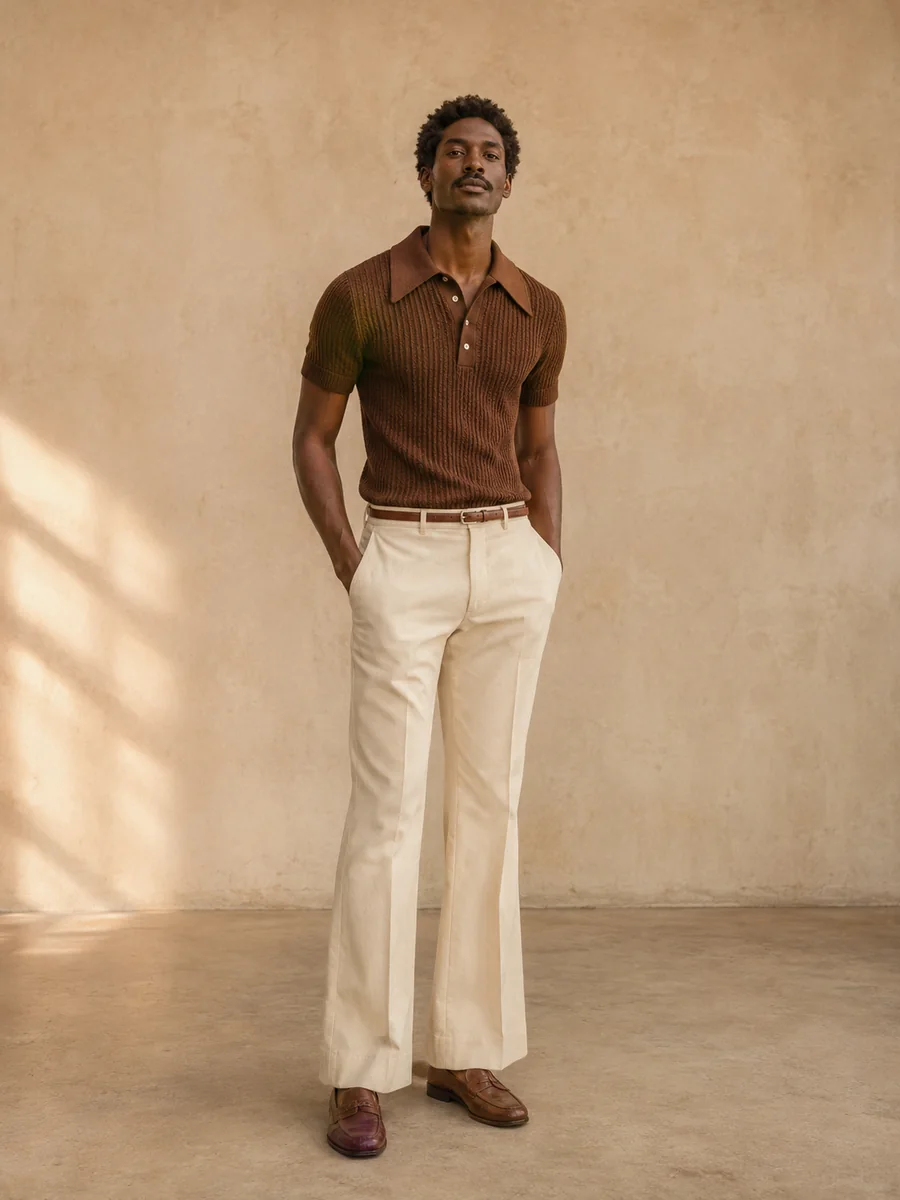
Build classic formulas through soft tailoring, knit polos and quiet palettes, with practical distinctions from preppy and minimalist outfits.
The field notes · 4 min read
Compare rugby stripes, Oxford collars and knitwear across relaxed denim and softer tailoring, with useful checks for layer space and hems.
The field notes · 4 min read
Choose the amount of office structure, then compare shirts, knits, blazers and trousers without assuming one universal dress code.
The field notes · 4 min read
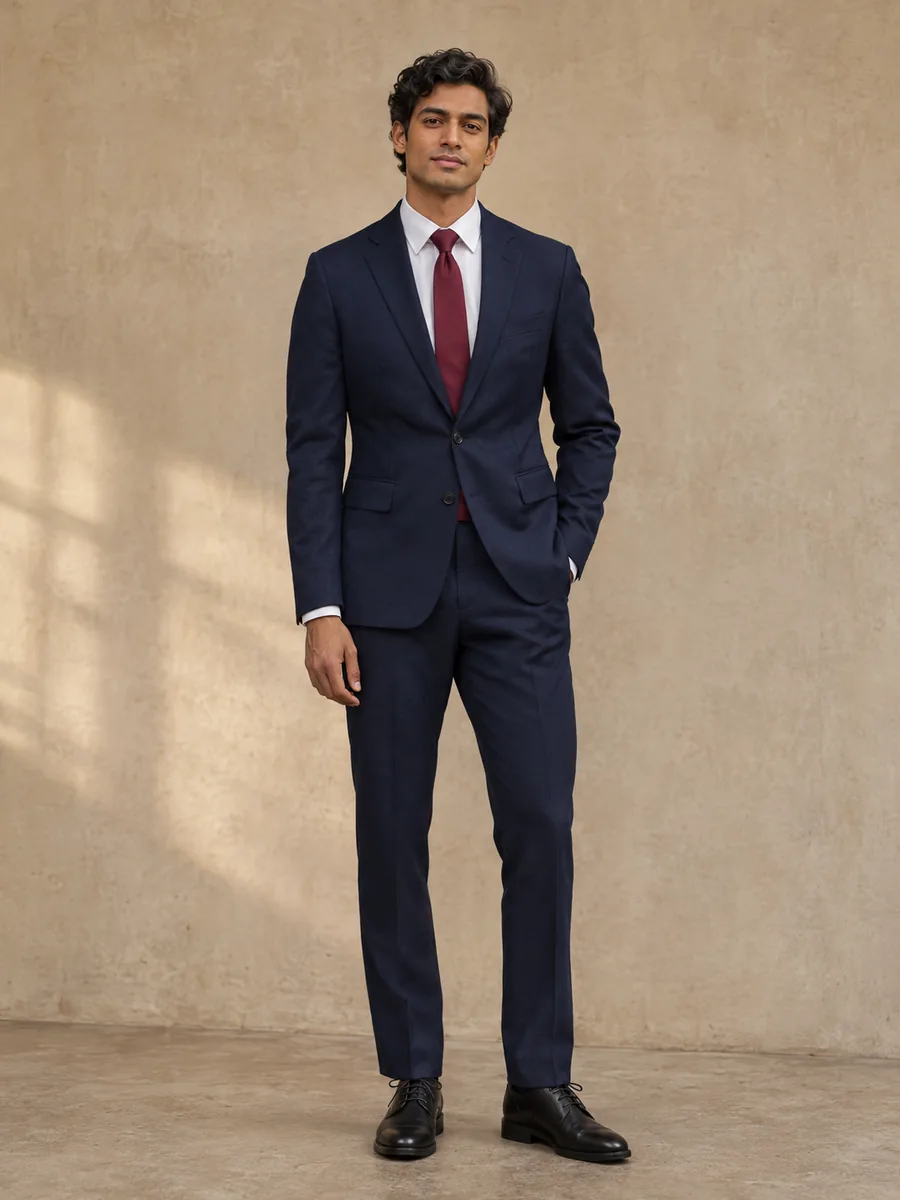
Compare navy, charcoal and lighter tailoring with an evening-oriented separation, keeping event instructions separate from concept imagery.
The field notes · 4 min read
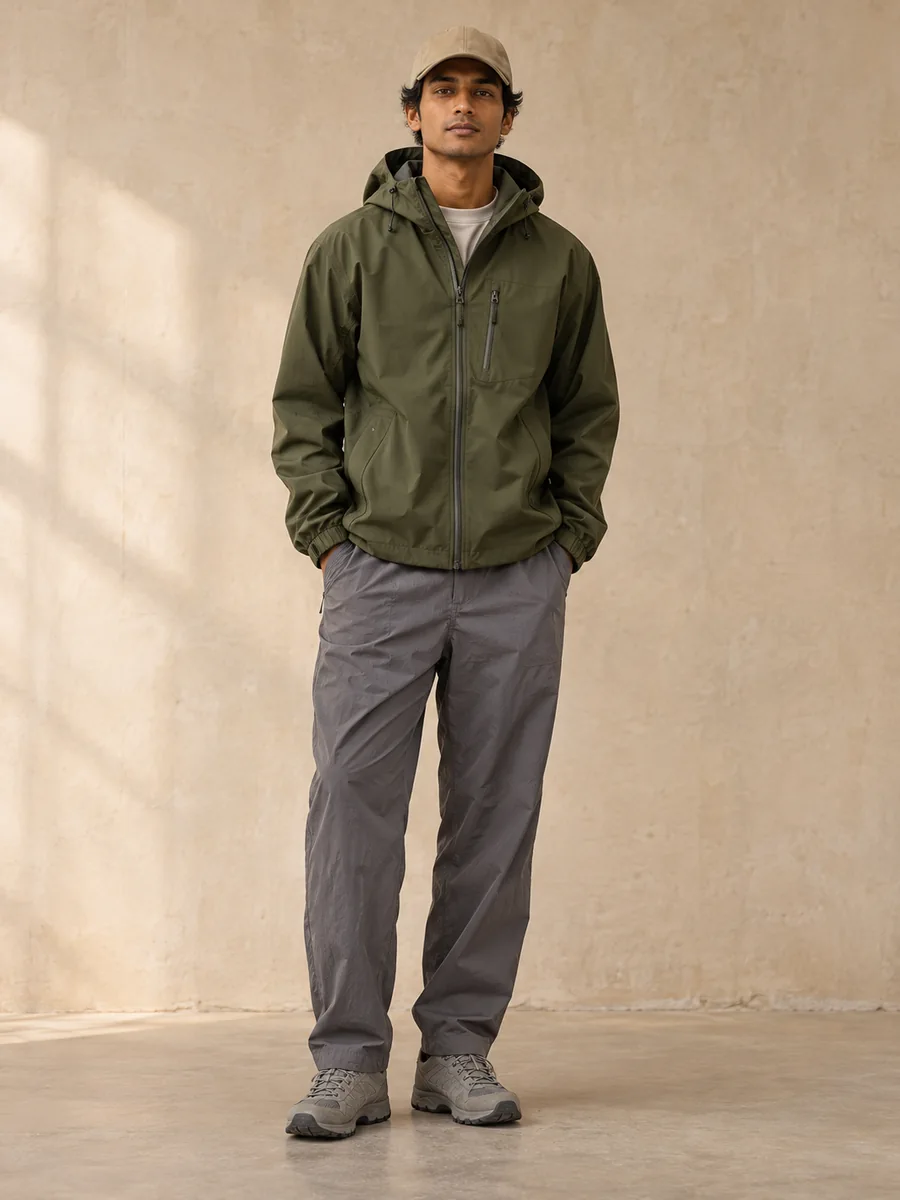
Balance shell-like jackets, fleece, vests and trail-inspired shoes with ordinary layers while separating the style from actual performance.
The field notes · 4 min read
Build technical-looking outfits through layer length, cargo shape and restrained detail, comparing four distinct silhouettes.
The field notes · 4 min read
Compare joggers, track trousers, half-zips and shorts with ordinary outer layers, using clear cuffs, hems and sporting detail.
The field notes · 4 min read
Use track jackets, rugby shirts and unbranded jerseys with denim, track trousers or shorts, keeping color and proportion deliberate.
The field notes · 4 min read
Compare boxy tees, broad denim, carpenter trousers and longer shorts, with practical checks for upper length, hems and low footwear.
The field notes · 4 min read
Use short jackets, checks, worn-looking denim or one metal detail as the focal reference, keeping the supporting silhouette clear.
The field notes · 4 min read
Compare longer coats, fluid shirts, textured cardigans and lighter black layers, with useful checks for silhouette and nearby dark references.
The field notes · 4 min read
Use dark denim, finer layering, stripes and restrained details in four formulas with practical checks for fit and proportions.
The field notes · 4 min read
Compare oversized hoodies, broad or flared black denim and substantial footwear, with clear checks for upper length and lower clearance.
The field notes · 4 min read
Use deeper palettes, visible collars and textured tailoring, comparing four formulas with lighter academic and softer poetcore neighbors.
The field notes · 4 min read
Compare pale cardigans, knit vests, soft blazers and open shirts, separating cream, beige and blue through texture and hem length.
The field notes · 4 min read
Compare roomy Oxfords, broad chinos, longer shorts and utility layers while keeping the volume connected through quiet color and clear hems.
The field notes · 4 min read
Compare long coats, compact cardigans, boxy shirts and short jackets above wider trousers, using color to reveal the layer boundaries.
The field notes · 4 min read
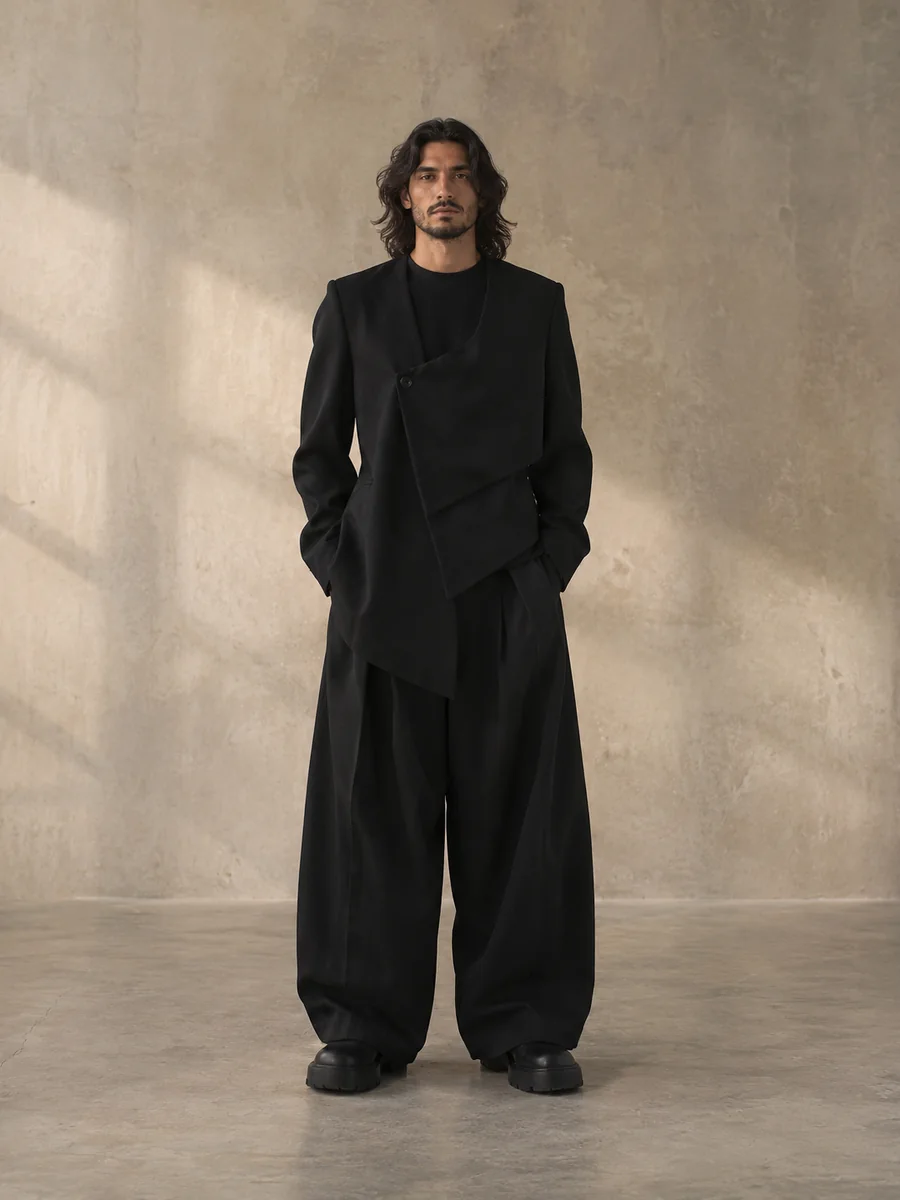
Let one asymmetric or sculptural garment lead, comparing longer frames, cropped legs and black-and-ecru contrast through clear proportions.
The field notes · 4 min read
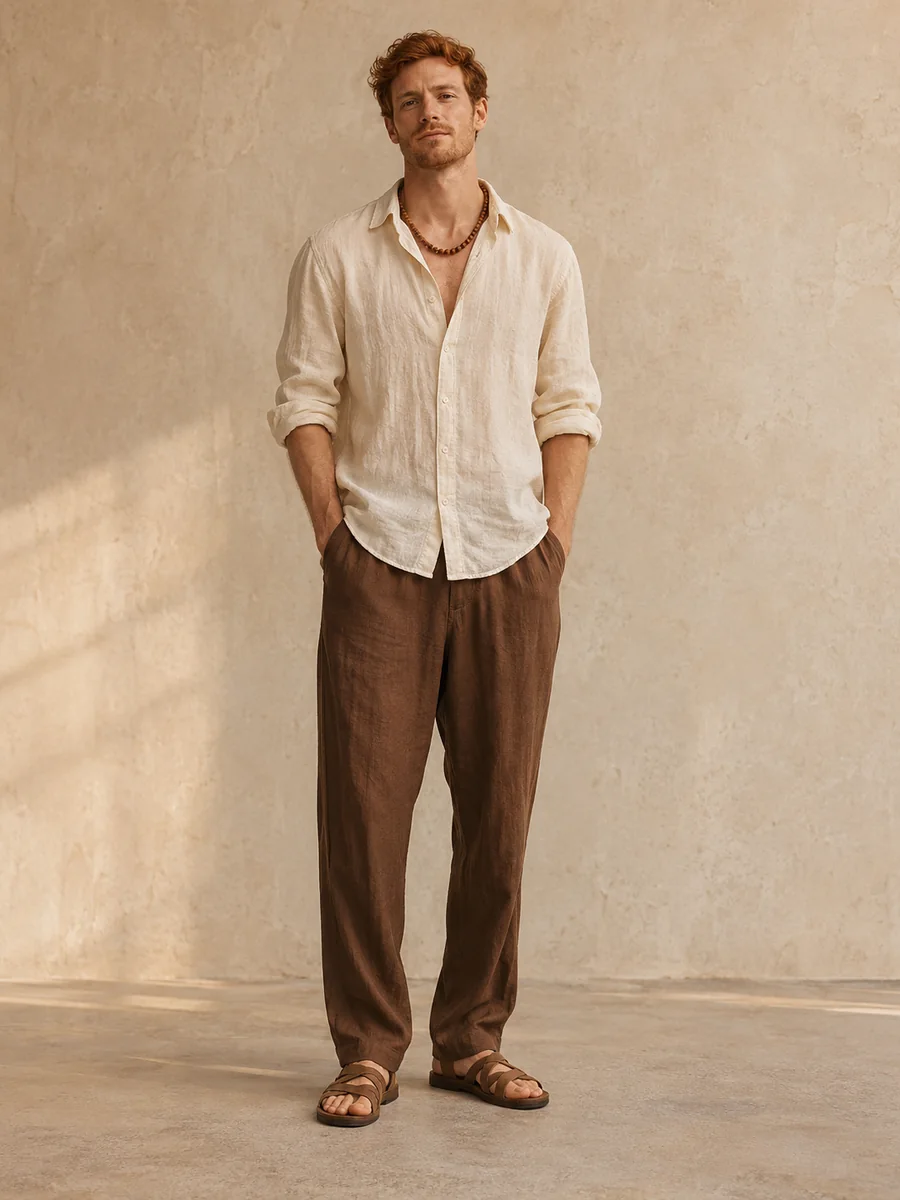
Compare open shirts, woven-looking layers, crochet-like knitwear and a rust cardigan, using quiet neighbors and deliberate trouser-to-shoe lines.
The field notes · 4 min read
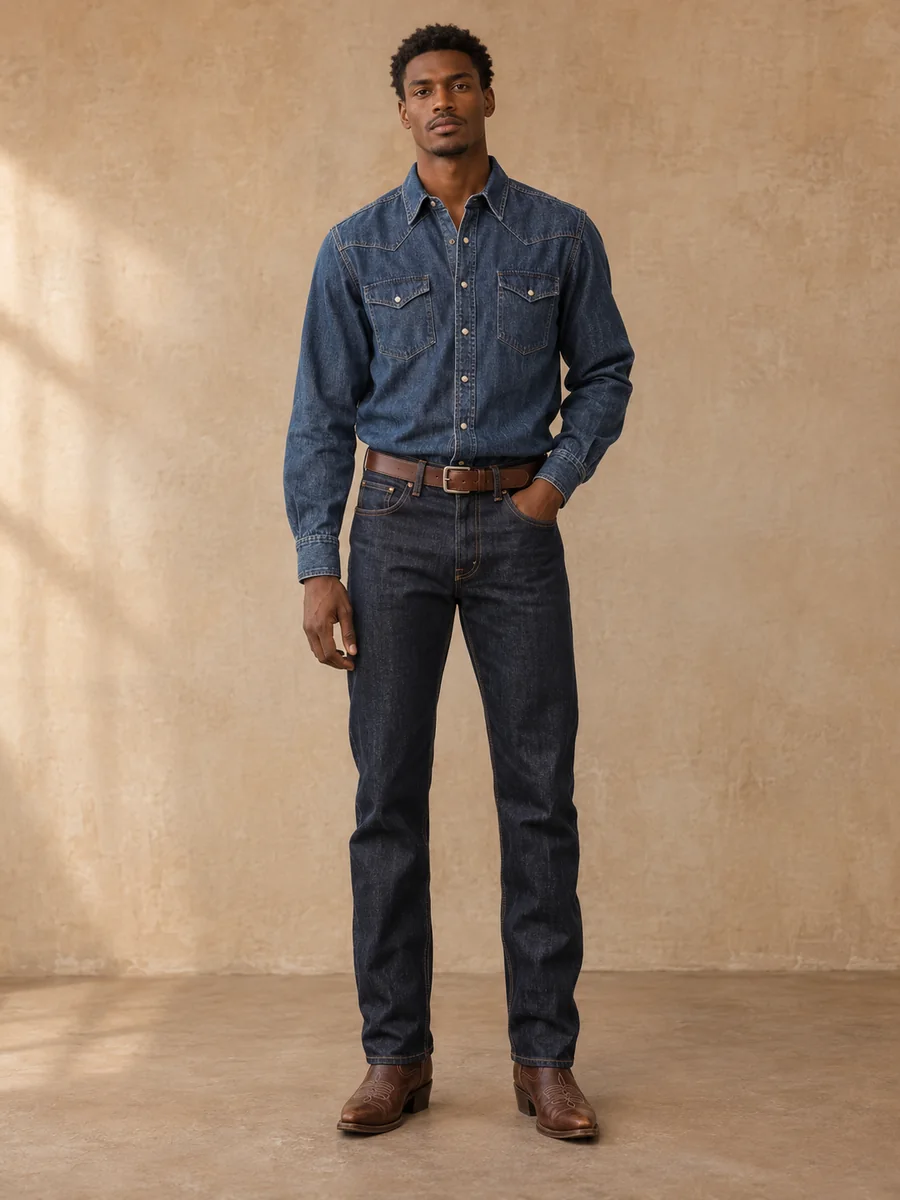
Choose a denim shirt, shaped boot or short suede-looking jacket, then compare washes, hem clearance and quiet supporting details.
The field notes · 4 min read
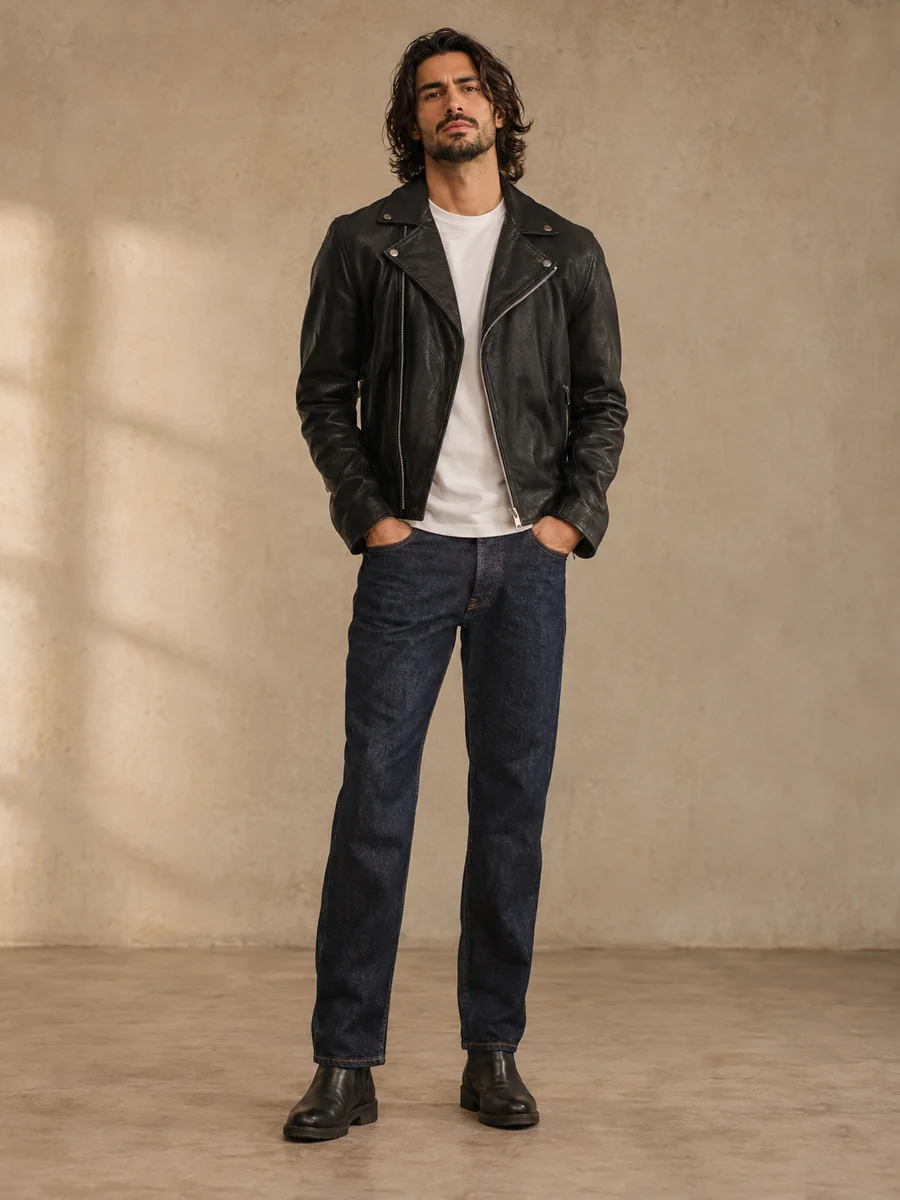
Compare shorter leather-looking jackets, denim and quiet bases, focusing on openings, texture and the relationship between trousers and footwear.
The field notes · 4 min read
Use field jackets, fatigue trousers, navy layers and quiet bases, comparing shade, pocket volume and upper length rather than collecting symbols.
The field notes · 4 min read
Compare a broader collar, fuller blouson, relaxed cardigan and faded jacket, borrowing useful shapes without treating every retro detail as one era.