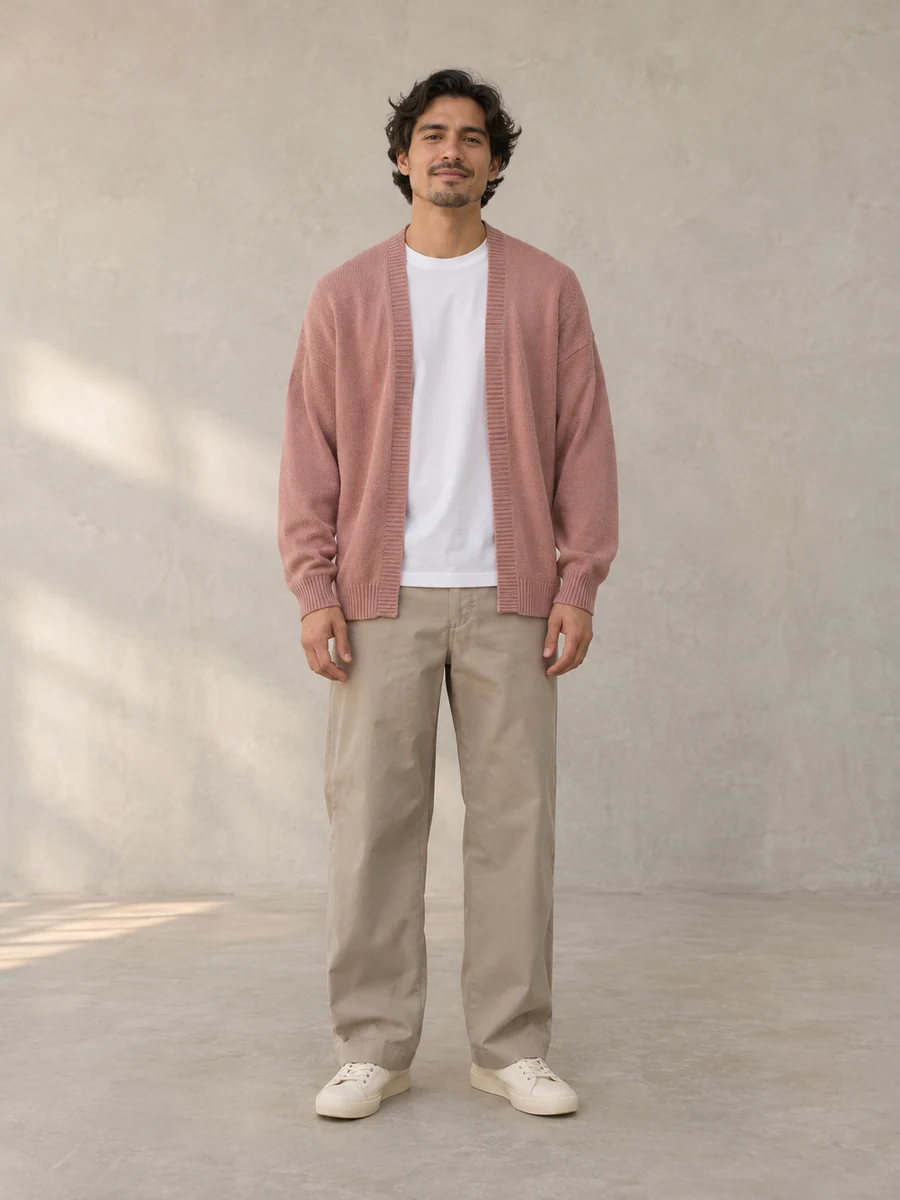
Choose what you want the soft layer to do
Start with one cardigan, collared knit, sweatshirt or shirt whose surface or color you enjoy. Decide whether it should frame the inner top, form a single closed block or create a visible neckline beneath another layer. Those are different arrangements even if the garment colors are similar. Choose the arrangement before adding several accessories or trying to imitate an entire reference photograph.
Soft-boy is a flexible fashion label, not a description of a person’s character. Historical editorial use includes gentler, texture-led menswear, while current interpretations vary. LookSprout uses the label to connect practical examples. You can borrow a color or a layer relationship without adopting a prescribed haircut, personality or collection of interests.
Formula one: an open knit around a simple center
Wear a plain tee beneath an open cardigan, then choose a straight or relaxed trouser. The open edges create a vertical frame, while the tee keeps the center uncomplicated. Check that the cardigan and tee do not end at nearly the same awkward point if you wanted a clear layering contrast. Try the same arrangement with your normal stance and arms at your sides.
A restrained sneaker makes an easy lower endpoint. A more substantial rounded shoe changes the weight of the whole outfit; compare it before shortening the trousers. Keep the knit as the main tactile element if you want a quieter result. The concept image can show a fuzzy-looking surface, but it cannot tell you the fiber content or whether your real garment will feel the same.
Formula two: a collared knit and a full trouser
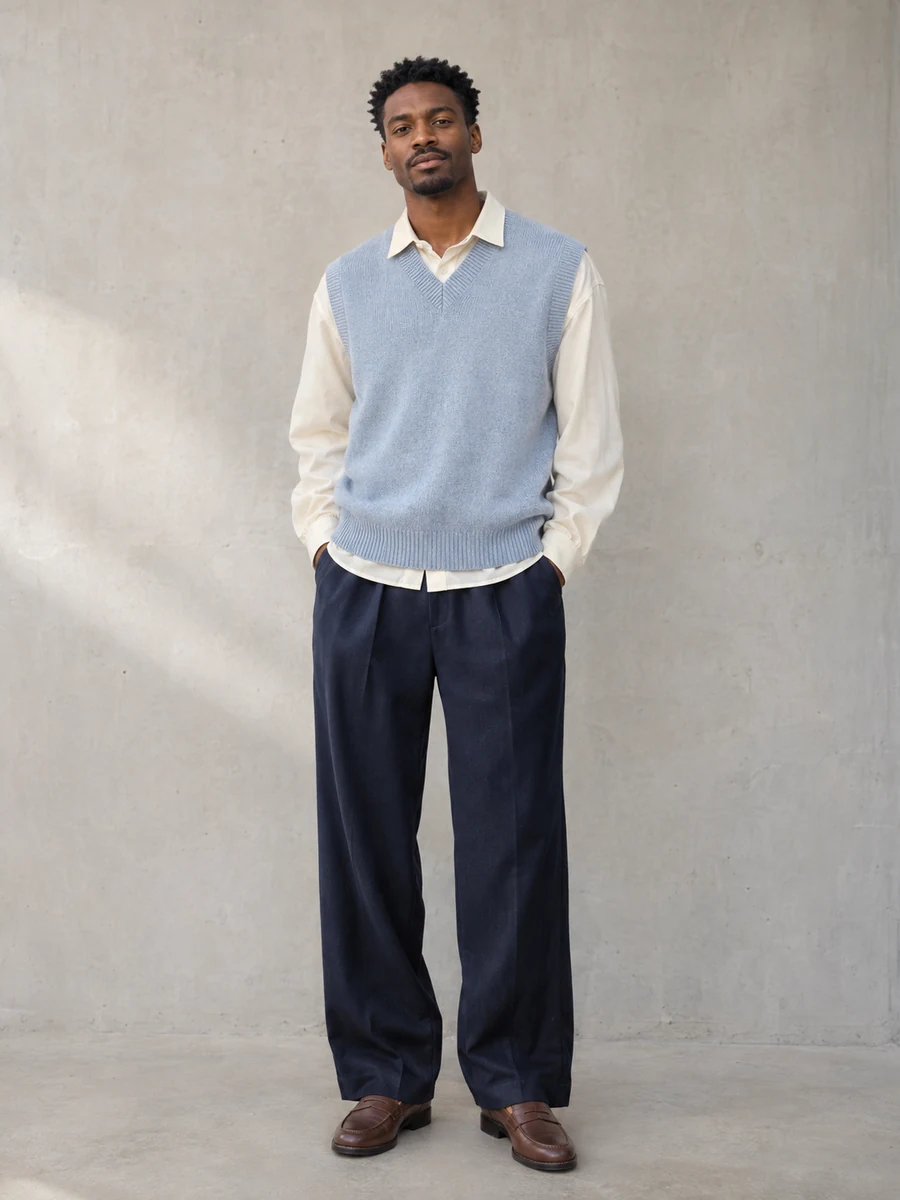
A collared knit worn on its own reduces the number of layers while retaining a soft neckline. Put it above a fuller trouser to make the lower shape more prominent, or choose a straighter leg for a more contained outline. Judge the body length and sleeve shape together. A neatly exposed waistband creates a different balance from a knit that falls well below the hip.
For a muted version, keep the top and trousers close in value and let the shoe define the bottom edge. For more color, choose one clear top shade and keep the other pieces quieter. You do not need a fixed percentage rule to arrange color. Compare the large areas you can actually see from normal viewing distance.
Formula three: a light shirt beneath a firmer outer shape
A pale or softly patterned shirt can keep the central area light while a short jacket creates a firmer frame. Leave enough room for the collar to sit naturally rather than forcing it over the jacket edge for a photograph. Try one button arrangement at a time, and inspect the same neckline seated as well as standing.
Use denim if you want the combination to remain more casual, or a plain trouser if you want the shirt and jacket lengths to read more clearly. Light academia may be a closer reference when collegiate tailoring leads the look. Romantic menswear may be more useful when a dramatic collar or drape is central. The visual choice matters more than finding an exclusive category.
Change one soft feature before adding another
If the result feels too diffuse, remove one competing texture or reduce the contrast between two minor layers. Keep the feature you wanted to emphasize: perhaps the cardigan edge, a muted color or a broad sleeve. A plain trouser is often useful because it lets the change above remain easy to inspect. That does not make plain clothing a requirement for every expressive outfit.
If the result feels too restrained, change one main feature in the opposite direction. Compare a stronger top color, a fuller trouser or a more visible shirt collar. Avoid changing all three at once if your goal is to understand why the first version worked. The builder can keep your anchor piece fixed while you try another surrounding composition.
Keep a usable record of the relationship
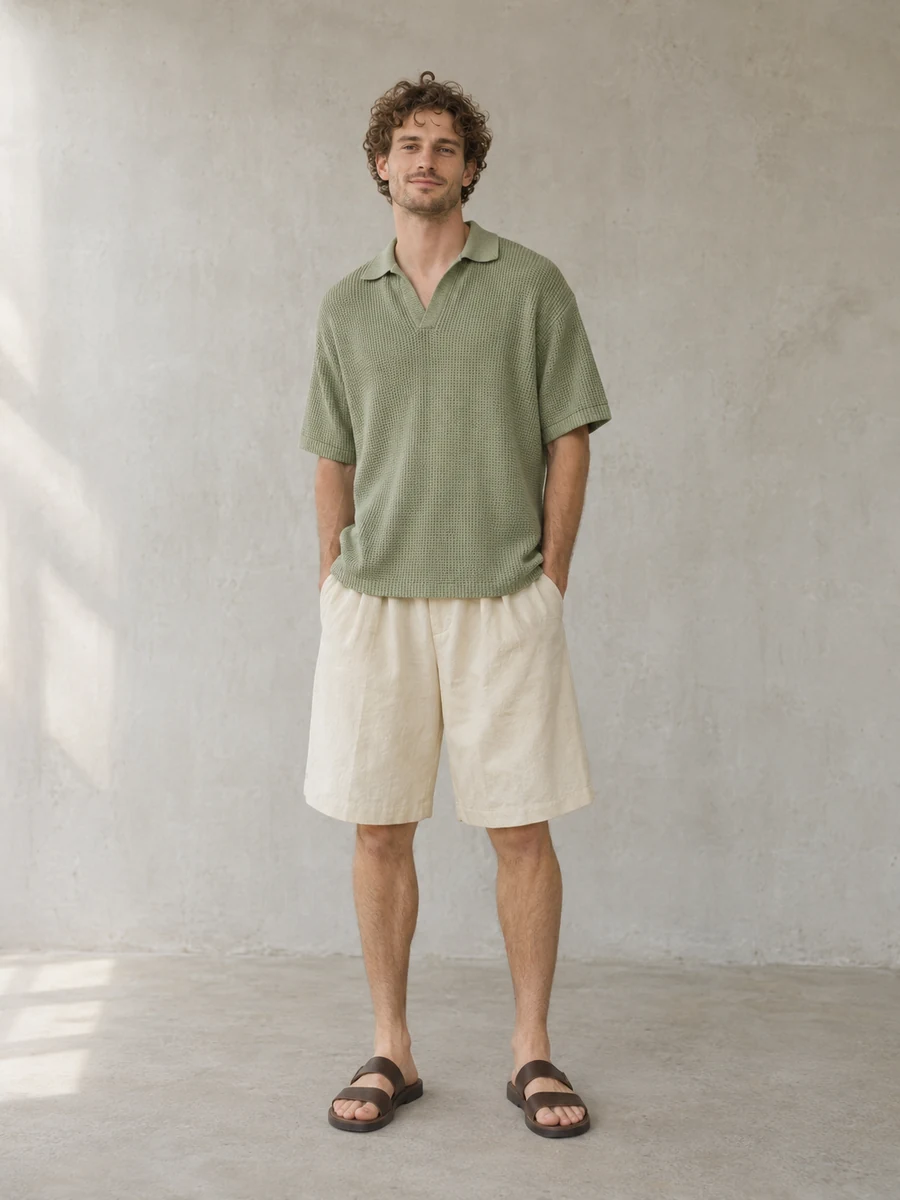
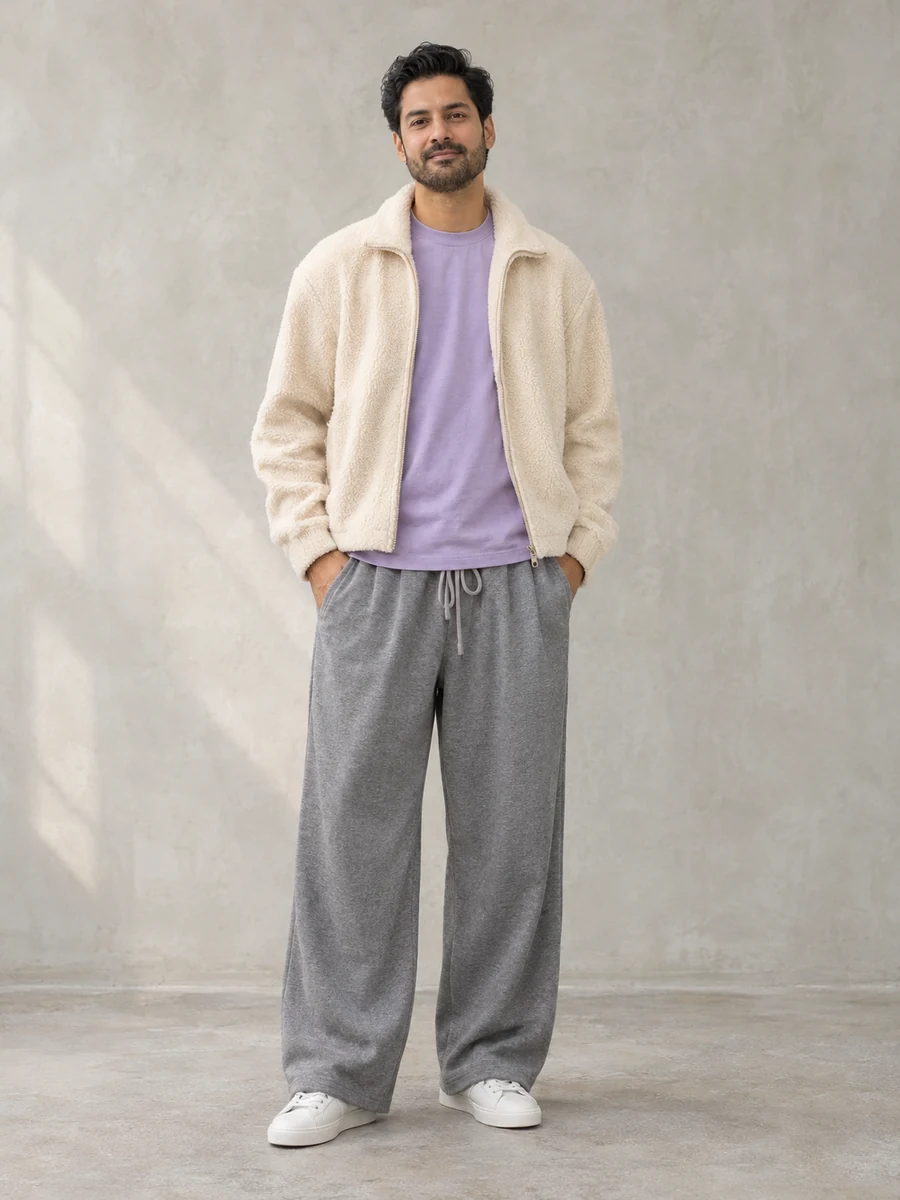
Save the outfit with the actual garment identities you supplied yourself. Record public lookbook pieces as inspiration references when they are only approximate. A note such as open sage cardigan, white center and straight dark leg is enough to recall the visual idea; it is not evidence that every pictured item has a particular material or commercial match.
Before planning the look for a day, check whether the needed item is available in your wardrobe and whether an outer layer is necessary for your real conditions. A soft-looking knit is not an insulation rating. If only one complete composition is possible with your current items, keep that honest result and mark the gaps in the other directions instead of counting imagined garments as possessions.
Sources and useful references
Explore more outfit ideas or compare the style files.