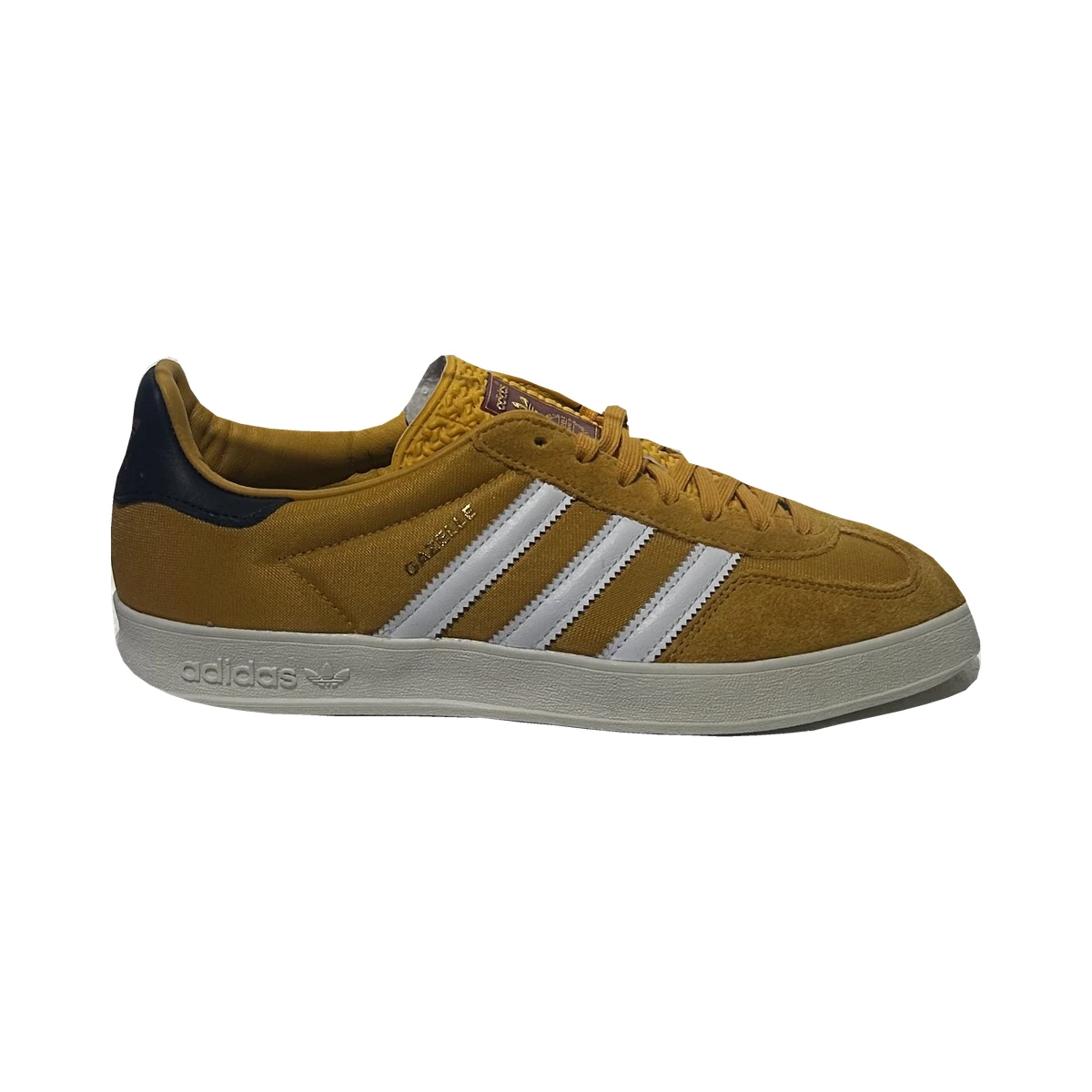
Photo: LeDroider / Wikimedia Commons / CC0 1.0 · Source · License
Conventional non-generative alpha masking, removal of photographed background, proportional reduction, white square canvas, WebP encoding. No product reconstruction, wear repair, recoloring or mirroring.
Separate the family name from the exact product
A family name such as Air Force 1 or GEL-1130 is only the start of an identification. The edition, cut, colorway and style code may distinguish products that look related. A colorway is the manufacturer’s named combination of colors, not just a broad label such as white.
Begin with the product page you can verify. Record the full visible name, the color shown and the style or article code. Keep an unknown detail unknown rather than filling it from a search result for a similar pair.
Use the code and the photo together
The Nike Canada example linked here names Air Force 1 ’07, White/White and style CW2288-111. Those fields identify the photographed variant more precisely than “white Nike sneakers.” A Mid, an LV8 or a collaboration should not inherit that photo just because the family name is similar.
A style code is a useful cross-check, but it is not proof that a seller’s listing is genuine or correctly assembled. Compare the actual pictures and description, especially if the page changes selected color without changing the text you first read.
Compare the parts that are visible
Look at the toe shape, panel arrangement, overlays, tongue, heel and sole in matching views. A lateral profile is easier to compare with another lateral profile than with an angled image that hides the far side. Use more than one view when the distinguishing detail is elsewhere.
Do not infer a missing panel or a hidden label from an illustration. A picture can show the visible design, but it cannot by itself establish materials, condition, authenticity or the feel of the shoe on your foot.
Keep collaborations and ranges separate
A named collaboration or collection can share a familiar family while changing details. The N7 edition of an Air Force 1 is not illustrated accurately by an ordinary white pair. Similarly, two models within one campaign need separate labels when their shapes differ.
When a guide compares a model family instead of a single variant, it should state which colorway is shown. That prevents the pictured materials or colors being mistaken for information about every product with the same family name.
Know when an outfit picture cannot identify a product
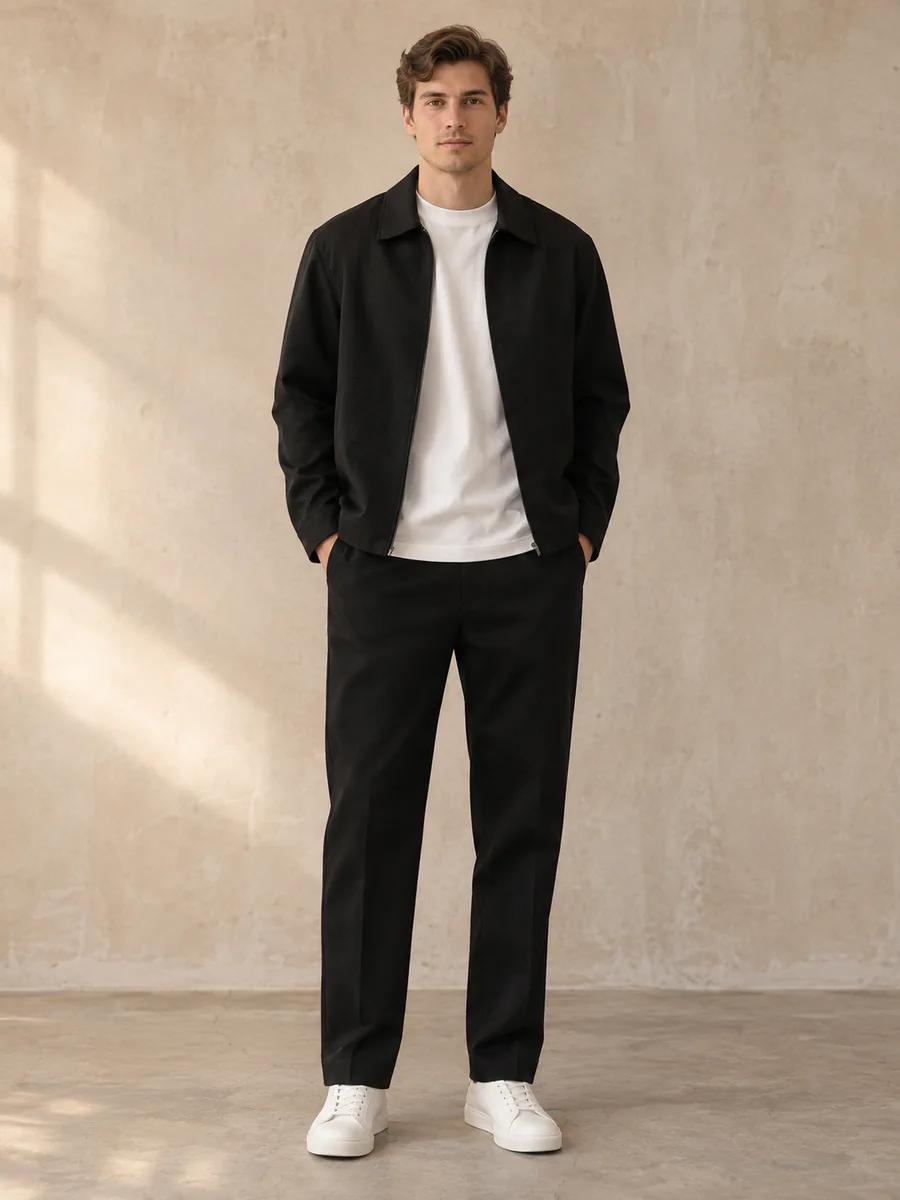
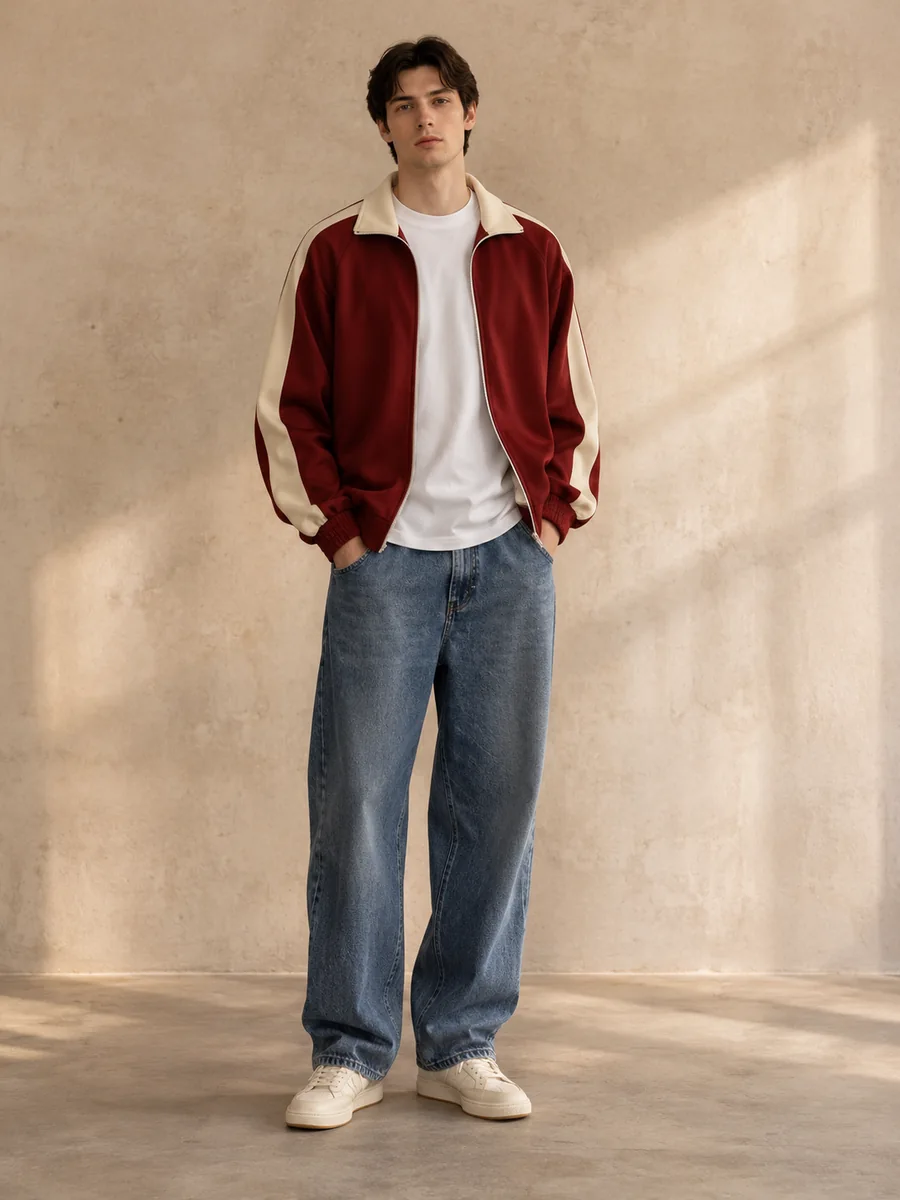
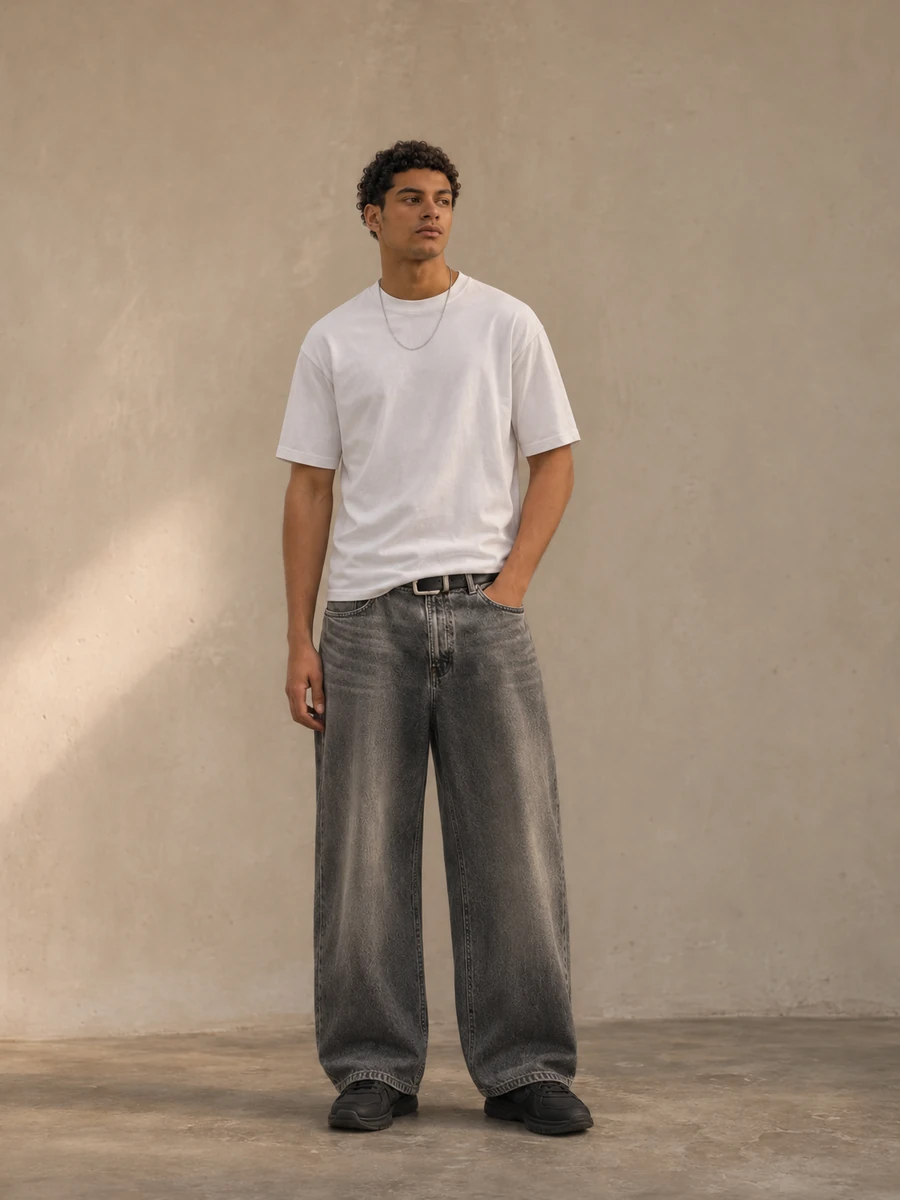
White tee, black trousers and a simple collar jacket names white low-top sneakers; Burgundy track panels over white tee and loose blue denim names cream retro-style sneakers; White tee, grey jeans, silver details names black chunky sneakers. Those descriptions tell you the role and broad appearance of a piece in a concept outfit. They do not identify a manufacturer, a style code or an exact commercial product, even when the silhouette reminds you of a familiar brand.
Before attaching a product name to a similar-looking shoe, open the actual manufacturer or verified product source and compare the recorded identity fields. If the concept only establishes “white low-top,” keep that label and place any real nearby option in a clearly separate recommendation. Do not silently turn the illustration into a photo of that option or copy its specifications onto the generic piece.
For a real listing, save one matching view alongside the full source record, then check another view where the distinguishing detail is visible. If a photo and a style code disagree, do not resolve the conflict by selecting whichever detail produces more search results. Keep the case unconfirmed until the source clarifies it. This same discipline makes later price, availability and material comparisons more trustworthy without pretending to authenticate a physical shoe from an online image.

Save a small identity record before comparing offers
Keep the source page, full model name, style code, selected colorway and observation date together. Add the market and the sizing system when they affect the listing. That short record gives the price comparison a specific product to follow.
If two observations disagree, pause the comparison and identify the mismatch. A cheaper number attached to another edition or condition does not become a better price for the product you were researching. Use the sneaker comparator to keep those differences visible.
Sources and useful references
Explore more outfit ideas or compare the style files.